Halal wedding catering is not a garnish on the planning checklist. It is the system behind the meal: who supplies the meat, where it sits in the walk-in cooler, which fryer touches the samosas, and what the chef reaches for when a sauce needs depth.
What's Inside
- Why kitchen operations matter more than the tasting plate
- How to verify halal certification, suppliers, and hidden ingredients
- What to inspect during a mixed-use kitchen walkthrough
- How to run a tasting that tests banquet performance
- How to layer allergies, vegan meals, and gluten-free needs onto a halal menu
- What to put inside a Halal Addendum before paying the deposit
Beyond the Menu: Why Kitchen Operations Trump the Tasting
The prettiest lamb biryani in the tasting room means very little if the catering kitchen treats halal as a purchasing note instead of an operating standard.
True halal catering starts before the first spice hits the pan. It includes procurement, cold storage, prep surface isolation, cookware handling, transport, and service. That may sound less romantic than choosing rosewater panna cotta or saffron rice, but it is the part that protects the integrity of the entire reception meal.
Many couples begin with flavor profiles: South Asian, Arab, Turkish, West African, fusion, or a clean modern menu with a few heritage dishes. That matters. Guests remember food. But the higher-risk question in a mixed-use kitchen is not whether the chicken is tender. It is whether halal chicken has shared a fryer, a board, a knife, a stockpot, or a transport container with non-halal proteins.
Start caterer vetting on the order of 9 to 12 months before the wedding date, especially if the venue restricts outside vendors. Use the Perfect Muslim Wedding Planning Kit to keep the catering notes, supplier documents, tasting scores, and contract clauses in one place rather than scattered across text messages.
Key Takeaway: Treat halal requirements as a standard of excellence. A careful caterer will not be offended by operational questions; the right one will already have answers.
Decoding Halal Certification and Ingredient Sourcing
A certified halal kitchen and a kitchen that buys halal meat are not the same thing.
A certified kitchen usually works under defined procedures for sourcing, storage, preparation, and inspection. A kitchen that simply sources halal meat may still use shared grills, shared fryers, wine-based reductions, gelatin-set desserts, or cheese made with animal-derived rennet. The difference is not cosmetic. It changes the level of verification a couple must do before signing.
National certification boards provide a useful baseline, and organizations such as the Islamic Food and Nutrition Council of America (IFANCA) help frame what formal oversight can look like. Local sourcing realities still matter, though. A caterer may have one approved supplier for small events and another distributor for large banquet orders. Verbal assurances from a sales manager should never be the end of the conversation.
Supplier questions to ask before the tasting
- Which meat supplier will be used for this wedding, not just for tastings?
- Can the caterer provide supplier invoices from the preceding 14 to 21 days?
- Does the couple require hand-slaughtered Zabiha meat, or does the family accept machine-slaughtered halal meat?
- Will the same supplier be used for chicken, lamb, beef, and any stock bones?
- Who checks deliveries when they arrive at the kitchen?
The stringency of verification varies by family adherence. Some families require hand-slaughtered meat by name and supplier. Others accept broader halal certification. The important move is to define the standard early, then make the caterer show how it will be met.
Hidden ingredients deserve the same attention as the meat. Ask specifically about alcohol-based vanilla extract, wine vinegar reductions, animal-derived rennet in cheeses, and porcine gelatin in mousses, marshmallows, panna cotta, and plated desserts. These are the quiet places where a menu can drift.
Pro Tip: Ask for invoices before the tasting, not after the menu is emotionally locked in. It is easier to change caterers than to renegotiate trust once the family has chosen the signature dish.
The Kitchen Audit: Preventing Cross-Contamination
The kitchen walkthrough should happen while the kitchen is awake.
A polished tour at 3:00 PM, after the prep team has cleaned down, tells you very little. Schedule the walkthrough during active prep hours, typically between 9:00 AM and 11:30 AM, when boards are out, fryers are running, deliveries are being stored, and staff are moving at real speed. That is when habits show.
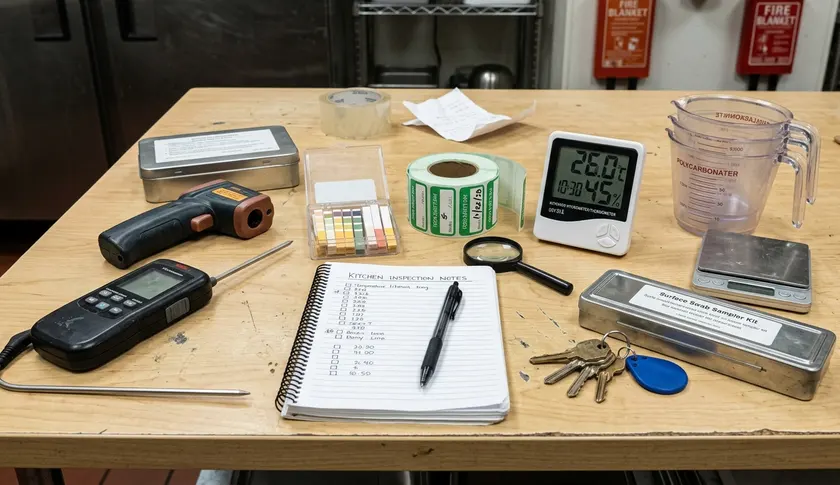
Mixed-Use Kitchen Walkthrough Checklist
- Verify dedicated fryers exclusively reserved for halal items.
- Check walk-in coolers for top-shelf storage of halal meats to prevent cross-contamination from dripping.
- Confirm the presence of color-coded cutting boards for halal preparation.
- Ask where sanitized cookware is stored before halal prep begins.
- Inspect whether halal proteins are sealed, labeled, and separated from non-halal proteins.
- Confirm separate, sealed cambros for transporting halal dishes to the venue.
Shared fryers are one of the most common traps. A caterer may buy halal chicken but fry it in oil used for non-halal meat, which defeats the purpose for many families. The same issue appears with grills, tongs, sheet pans, and tasting spoons during high-volume prep.
Transport needs its own questions. Ask how the truck is loaded. Confirm who checks labels at the venue. Clarify what happens if a chafer arrives without its identifying tag.
Warning: Do not assume a “halal-friendly” caterer automatically uses separate fryers. Get the fryer policy confirmed during the walkthrough and written into the contract.
This guide evaluates halal integrity through procurement, storage, prep, cooking, transport, and service. It does not rank schools of certification; it helps couples make the vendor’s actual process visible.
Structuring a Strategic Menu Tasting Experience
A tasting is not dinner. It is a pressure test in nicer lighting.
Keep the panel to 3 to 4 key decision-makers. More people usually means palate fatigue, competing nostalgia, and a long debate over whether the rice needs more cardamom. The tasting group should include the couple and whoever has real authority over the menu or family religious requirements.
Test for scale, not just sparkle
A dish prepared for four people can be delicate, crisp, and perfectly timed. That same dish served to four hundred guests may sit under heat, soften at the edges, or lose fragrance before it reaches the last table. This is where banquet thinking matters.
Ask the caterer to hold the signature dish for on the order of 45 to 60 minutes in a chafing setup before you taste it. Rice, kebabs, sauced chicken, roasted vegetables, and fried appetizers all behave differently after holding. One catch: this test requires the caterer to have the physical space and willingness to simulate banquet conditions during a private tasting session.
- Score texture after holding, not only fresh presentation.
- Ask which dishes are finished on-site and which arrive fully cooked.
- Check whether sauces separate under heat.
- Notice whether fried items stay crisp or turn heavy.
- Ask how the kitchen adjusts salt and spice for large batches.
Caterers usually present their absolute best at tastings. That is reasonable; they want the booking. Couples should enjoy the hospitality, then ask practical questions about holding times, tray rotation, garnish timing, and chafing dish degradation.
Pro Tip: Bring the proposed reception timeline to the tasting. A menu that works beautifully after a short Nikah may need adjustment for a long photo session, room flip, or delayed grand entrance.
Managing Complex Dietary Needs Within Halal Parameters
Halal is the foundation. Guest diets sit on top of it.
The cleanest wedding menus do not treat gluten-free, nut-free, vegan, and dairy-free requests as afterthoughts. They build a few elegant dishes that naturally satisfy more than one need. This reduces kitchen stress and makes the menu feel intentional rather than patched together.
Naturally halal and vegan dishes often serve the room better than heavily processed meat substitutes. Think roasted eggplant with tahini and pomegranate, saffron rice with herbs and toasted seeds served separately, lentil kofta with tomato relish, chickpea and preserved lemon tagine, or grilled seasonal vegetables with a bright herb sauce. These dishes feel celebratory without asking the kitchen to manage unfamiliar products under banquet pressure.
Desserts and labels need extra care
Desserts are where dietary confidence can unravel. Gelatin is the obvious issue, but not the only one. Agar-agar can replace gelatin in many set desserts while satisfying both halal and vegan requirements without compromising texture. Cheese boards need rennet checks. Cakes and custards need vanilla extract questions.
Finalize dietary labels and seating charts not far from 21 to 28 days before the reception. Waiting until the final week invites rushed printing, confused servers, and guests quietly skipping food because they cannot tell what is safe.
- Use clear labels: “Halal,” “Vegan,” “Gluten-Free,” “Contains Nuts,” and “Dairy-Free.”
- Give servers a printed menu key, not just verbal notes.
- Mark plated special meals by seat number.
- Keep allergen-friendly meals covered until service.
- Confirm whether nut garnishes can be served on the side.
Good labeling does more than prevent mistakes. It lets guests relax. At a Muslim wedding, that confidence is part of the hospitality.
Securing Your Standards: Drafting the Halal Addendum
The final catering decision should not rest on memory, goodwill, or a friendly tasting-room conversation.
Standard catering contracts rarely contain enough detail for Islamic dietary requirements. They may list the menu, guest count, staffing, rentals, payment schedule, and cancellation terms, but leave halal operations vague. That gap is where disputes begin.
Draft a separate Halal Addendum and attach it to the standard catering contract before paying the deposit. Secure signatures from both the head chef and the sales manager 6 to 8 months before the wedding. The chef controls execution; the sales manager controls the paperwork. Both names matter.

What the Halal Addendum must include
- Approved meat suppliers: Name the exact suppliers, including hand-slaughtered suppliers if the couple requires Zabiha meat.
- Invoice verification: Require supplier invoices close to the event date and matching the approved supplier list.
- Alcohol policy: State a zero-tolerance policy for alcohol in cooking, including marinades, sauces, extracts, desserts, and flambé preparations.
- Ingredient exclusions: List prohibited hidden ingredients such as porcine gelatin, animal-derived rennet where relevant, and alcohol-based vanilla extract.
- Cross-contamination protocols: Require dedicated fryers, sanitized cookware, separate prep surfaces, and labeled storage.
- Transport rules: Require halal dishes to be sealed, labeled, and transported separately from non-halal items if the caterer handles other events.
- Service instructions: Define who verifies labels, chafers, and special meals before guests enter the reception space.
Key Takeaway: If a halal requirement matters enough to discuss, it matters enough to write down.
Place the signed addendum inside the catering section of the Perfect Muslim Wedding Planning Kit, then send the final version to the venue coordinator, caterer, and family point person today before any deposit leaves your account.