What's Inside
- Introduction
- Months 10-12: Establishing the Foundation and Nikah
- Months 7-9: Planning the Walimah and Securing Vendors
- Months 4-6: Modest Bridal Fashion and Logistics
- Months 2-3: Pre-Marital Counseling and Intimacy Preparation
- Month 1: Final Details and Spiritual Grounding
- Understanding Cultural Variations
Introduction
A simple Muslim wedding is not a small wedding by accident. It is a wedding planned around the Nikah first, the families second, and the visual details only after the spiritual structure is sound.
The Prophet (SAW) gave the Ummah a model of marriage that did not turn devotion into display. That matters when a couple is being pulled between a mosque calendar, parents with strong expectations, a guest list that keeps growing, and a bridal look that must feel beautiful without losing modesty.
The editorial team adopted the original planning framework established by founder Javed Mohammad in 2016, and refined it into a month-by-month process for the Perfect Muslim Wedding Planning Kit. The point is not to remove celebration. The point is to prevent celebration from swallowing the marriage.
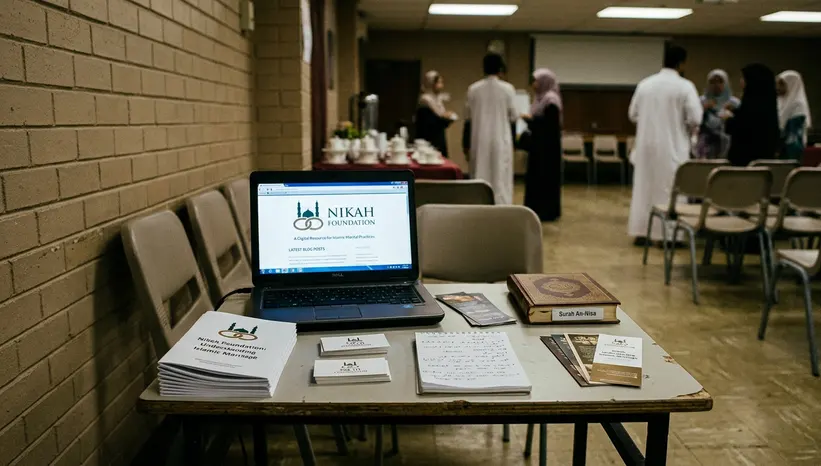
Key Takeaway: Begin with the acts of worship and obligations. Decoration, cuisine, and stage styling become easier once the Nikah has a fixed place in the plan.
Months 10-12: Establishing the Foundation and Nikah
Make the Nikah the first booked event
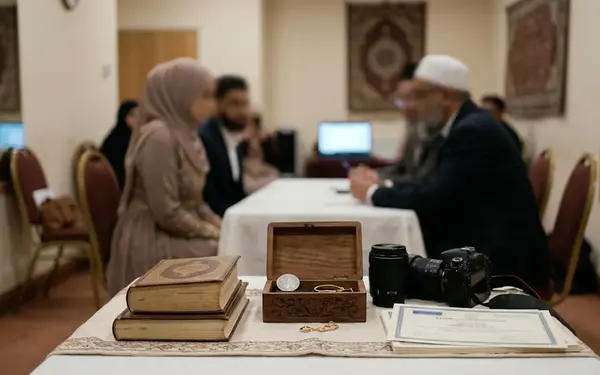
The Nikah is the Islamic marriage ceremony. It is the contract, the consent, the Mahr, the witnesses, and the public recognition of the union. Everything else should orbit around it.
At the 10 to 12 month mark, the first practical task is to secure the mosque or Islamic center. In many communities, mosque booking deposits are typically required 6 to 8 months in advance, and popular weekends disappear earlier when Ramadan, Eid travel, school terms, and local community events compress the calendar.
In planning files, I prefer to mark the Nikah in ink before any reception venue is discussed. That one decision protects the tone of the project. It also gives both families a shared anchor when smaller arguments begin.
Move beyond the family-only planning model
Many families still begin with Aunty Soraya managing the guest list and Uncle Jamil calling the mosque committee. That can work when expectations are modest and everyone knows the same local customs. It becomes fragile when the couple lives in one city, the parents in another, and the wedding includes guests from several Muslim cultures.
Keep the elders close, but document decisions. Write down who confirms the imam, who verifies the Mahr discussion, who checks the mosque rules for photography, and who communicates arrival times to the bride and groom. Respect is not the same as vagueness.
Pro Tip: Hold one early family meeting with only three agenda items: Nikah date, Mahr expectations, and mosque booking responsibilities. Save decor and food for later.
Months 7-9: Planning the Walimah and Securing Vendors
Understand the Walimah before pricing it
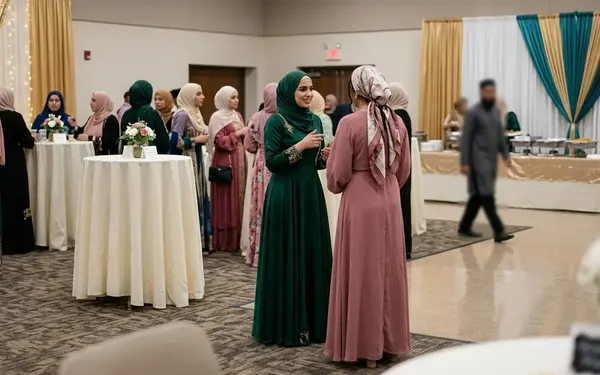
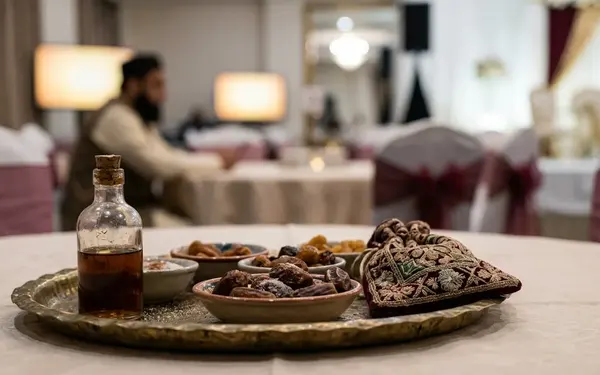
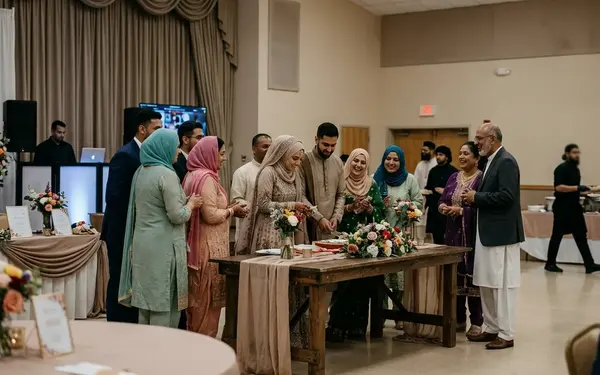
The Walimah is the reception traditionally hosted by the groom's family after the marriage. It is not just a banquet. It is a public expression of gratitude, a meal shared with community, and an opportunity to include people who should not be priced out of joy.
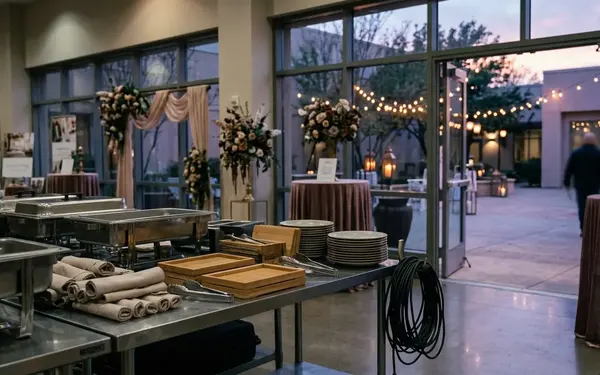
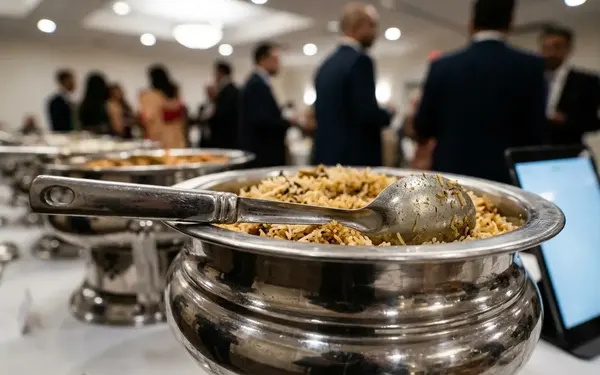
Seven to 9 months prior to the event, catering contracts are commonly finalized for 150 to 300 guests. That range changes the nature of the work. A home-cooked model or community volunteer model may still support a small Nikah meal, but a larger Walimah usually needs professional catering, service staff, refrigeration plans, and a clear seating flow.
From Hafiz Nai to modern catering teams
In some village settings, the Hafiz Nai carried multiple roles: barber, cook, messenger, and informal coordinator. The modern equivalent is not one person. It is a vendor set: caterer, stylist, rental company, floor manager, and sometimes a family-appointed liaison who can speak to elders with tact.
This is where cost should be read against value. Paying for a caterer is not only paying for food. It is paying for timing, safe service, dietary labeling, staff discipline, and reduced family stress during the Walimah.
Warning: Do not book a Walimah venue before the guest count is approved. One real planning breakdown happens when a family signs for a hall, then expands the invitation list and creates capacity violations that cannot be solved with prettier table settings.
Feed well without showing off
Finalize the guest list with Sunnah priorities in mind. Feed relatives, neighbors, community members, and those in need where possible. If the room cannot hold everyone, consider a simpler community meal connected to the mosque rather than stretching the reception into a performance.
Months 4-6: Modest Bridal Fashion and Logistics
Schedule modesty alterations early
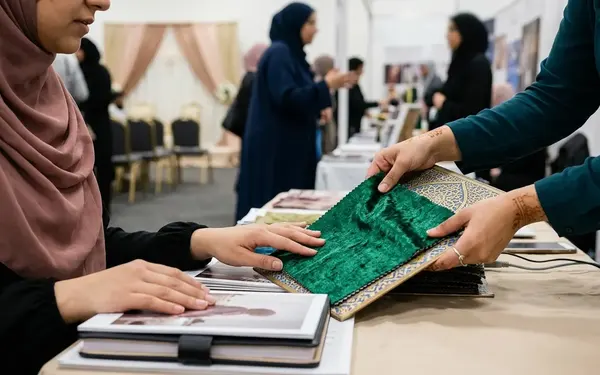
Four to 6 months before the wedding, wardrobe sourcing moves from inspiration to fittings. This is the halfway point for a reason: custom modest bridal gown alterations often need on the order of 12 to 16 weeks, especially when a standard gown must be adjusted with a raised neckline, opaque lining, full sleeves, or a less revealing back.
The bride should not have to choose between elegance and coverage in the final month. The groom's attire also needs time, particularly if the weekend includes a sherwani, thobe, suit, or coordinated cultural outfit for the Walimah.
- Confirm whether the bridal gown will need sleeves built in or added as a separate layer.
- Check fabric opacity under bright stage and photography lighting.
- Plan hijab styling with the veil, jewelry, and neckline together, not as a last-minute fix.
- Assign one person to carry garment bags, steamers, pins, and spare underscarves.
Build the weekend timeline
This is the section of the plan where the paper begins to smell like perfume, fabric steam, and cardamom tea. Relatives arrive. Dresses hang from door frames. Someone asks whether the henna artist has parking. The couple needs a timeline that absorbs this noise without becoming cold.
List the wedding weekend in order: family arrivals, cultural pre-wedding events, Nikah, portraits, Walimah, and departure plans. Then assign owners. A beautiful timeline with no owners is only decoration.
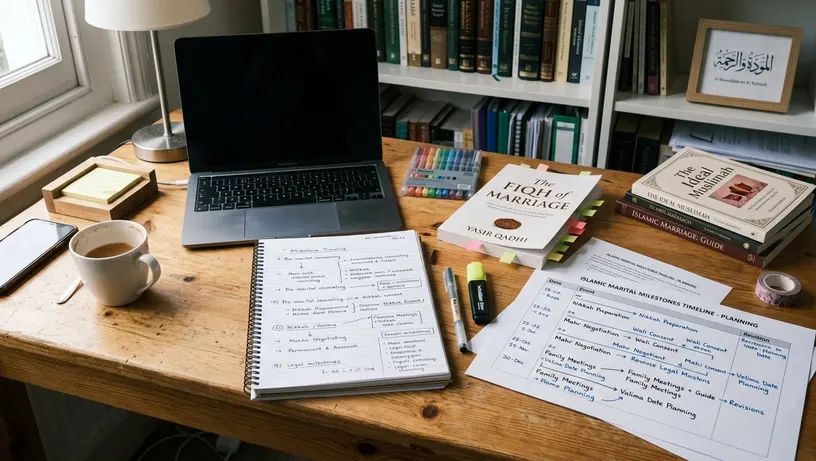
12-Month Muslim Wedding Milestone Checklist
- Months 10-12: Secure the mosque for the Nikah and agree upon the Mahr.
- Months 7-9: Finalize the Walimah guest list and secure catering professionals.
- Months 4-6: Order modest bridal wear and finalize the wedding weekend timeline.
- Months 2-3: Attend Islamic pre-marital counseling and prepare for emotional and physical intimacy.
- Month 1: Complete vendor walkthroughs, increase du'a, pack for travel, and prepare the emergency bridal kit.
Months 2-3: Pre-Marital Counseling and Intimacy Preparation
Prepare for the marriage, not only the event
Two to 3 months before the wedding, the best couples slow the project down enough to speak honestly. Islamic pre-marital counseling, per community guides, usually works well across 4 to 6 sessions because it gives the couple time to cover faith practice, money, conflict, family boundaries, intimacy, and expectations after the honeymoon.
This guide is a planning framework, not a fatwa; local scholars and qualified counselors should settle specific religious questions, especially when family customs and fiqh assumptions collide.
Couples who want a structured starting point can review Islamic pre-marital counseling guidelines and then ask their imam or counselor how those topics apply to their own marriage.
Speak about intimacy with haya and clarity
Wedding-night anxiety is common, and silence rarely makes it gentler. From an Islamic perspective, intimacy belongs inside marriage, with mercy, consent, patience, and privacy. Foreplay means touching, hugging, and kissing before intercourse; it is not an imported embarrassment or an optional romantic extra.
Breathing and slowing down techniques can help couples reduce tension. Some modern educators describe similar pacing concepts when discussing tantric sex, but Muslim couples do not need to borrow a whole worldview to benefit from calm breathing, eye contact, gentleness, and unhurried communication.
Pro Tip: Add counseling appointments to the same planning calendar as fittings and vendor calls. If it is not scheduled, the wedding will crowd it out.
Month 1: Final Details and Spiritual Grounding
Finish walkthroughs before the final rush
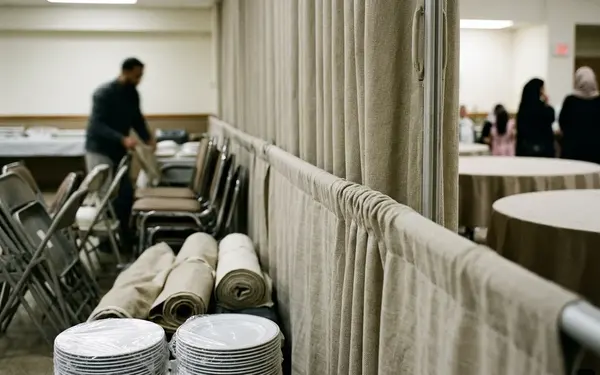
In the last month, logistics should narrow rather than expand. Final vendor walkthroughs are best scheduled not far from 10 to 14 days before the event, with the venue manager, caterer, family liaison, and planner looking at the same floor plan.
Walk the route guests will take. Stand where the bride will enter. Check where elders will sit. Confirm prayer space, food service direction, private waiting areas, and the handoff point for gifts.
Then stop adding new ideas.
Redirect the final weeks toward du'a
The last stretch, just under 21 to 28 days, is not only for chasing invoices. This is when the couple should increase prayers, make du'a for barakah, seek forgiveness, and settle their hearts before Allah. A calm couple changes the atmosphere of the whole wedding.
Pack the honeymoon items early, especially passports, travel clothes, medication, chargers, modest swim or resort wear if needed, and copies of booking confirmations. The emergency bridal kit should sit with a trusted attendant, not under a pile of luggage.
- Sewing kit and safety pins.
- Blotting paper, tissues, and fragrance.
- Comfortable shoes for movement between rooms.
- Spare hijab pins, underscarf, and stain wipes.
- Medication, snacks, and water for the bride and groom.
Key Takeaway: The final month should feel like completion, not invention. Close the loops, then protect the couple's spiritual focus.
Understanding Cultural Variations
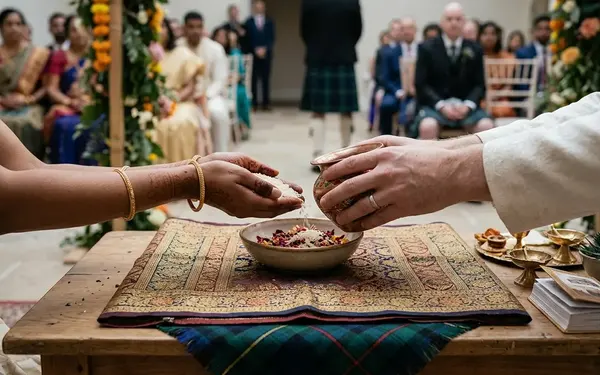
The Nikah and Walimah are widely recognized across Muslim communities, but the surrounding customs vary wildly. A Somali wedding weekend, a Pakistani mehndi, a Palestinian zaffa, a Malaysian bersanding, and a Nigerian Muslim reception can all honor Islam while looking very different.
Allocate 1 to 2 additional days if cultural pre-wedding events are part of the plan. Do not pretend they are small side activities. They require clothing, food, guest communication, transport, and emotional energy.
Choose customs deliberately
Some of the most sensitive planning conversations happen around Mahr. South Asian families may frame the discussion through one set of expectations, while Arab families may approach amount, symbolism, and timing differently. Neither side should assume its pattern is universal.
Ask direct, respectful questions: Which customs are Islamic obligations? Which are family preferences? Which bring joy? Which create hardship? Couples do not need to keep every inherited practice to remain respectful. They do need to communicate early enough that declining a custom does not feel like rejection of the family.
Warning: This 12-month pacing assumes a standard engagement period. Couples navigating expedited marriages may need to compress these milestones into a 12-to-16-week window while preserving the same order of priorities.