Navigating the Bridal Expo
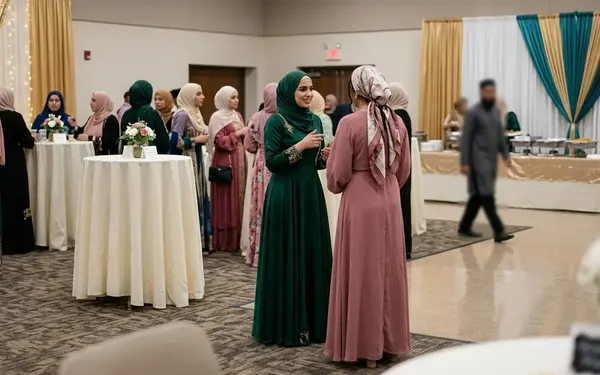
The air at a bridal showcase hums with overlapping conversations, the clinking of sample tableware, and the rustle of heavy silk. From reader feedback, couples often interact with 15 to 25 distinct service providers during a standard four-hour event. Time is your scarcest resource—initial vendor screening conversations span a tight 5 to 8 minute window before you need to move to the next booth.
Vetting goes beyond aesthetics for Muslim couples. It requires ensuring cultural and religious needs are met immediately. Bringing your Perfect Muslim Wedding Planning Kit helps streamline this rapid-fire interview process.
Pro Tip: Keep your core non-negotiables written on a single index card to reference during these brief interactions.
Criteria for Selection: Vetting for Cultural Competence
Per community planning guides, the initial cultural competence vetting phase occurs 9 to 12 months prior to the anticipated event date. Vendors must demonstrate an understanding of Islamic traditions, from the Nikah ceremony to dietary laws.
Not all mainstream vendors can accommodate specific privacy requests or Halal certifications. Mainstream vendors lacking established relationships with certified Halal suppliers often struggle to accommodate strict dietary laws without significant menu modifications. Verification of Halal certification requires checking the sourcing documentation from local meat purveyors rather than relying on verbal confirmation.
Establishing a baseline of cultural respect early prevents logistical issues closer to the wedding day. According to local guides, securing vendors who already understand these nuances saves dozens of hours in explanatory emails.
1. How to Pick the Perfect Wedding Venue
Venue availability checks and contract finalizations are usually handled 12 to 14 months in advance to secure dates outside of major Islamic holidays. Avoid clashes with Eid ul Fitr. Watch for pricing changes on dates like January 1 or the third Monday in January.
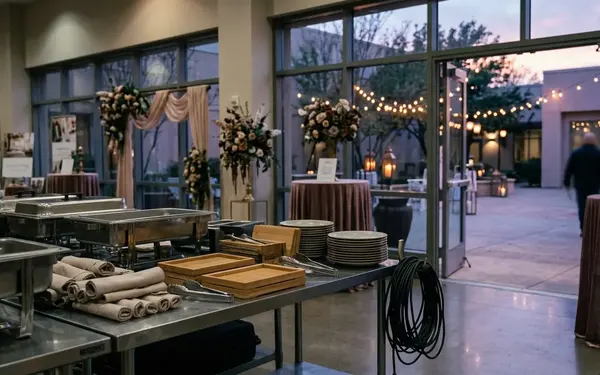
Ask about policies for outside catering to ensure you can bring in certified Halal/Zabiha food. We prioritize venues offering modular floor plans to accommodate gender-separated seating arrangements, ruling out historic mansions with rigid, interconnected room layouts.

Modular partition walls should provide a minimum acoustic rating on the order of 45 STC to effectively separate concurrent men's and women's reception programs. Securing an optimal layout early dictates the flow of your entire event.
2. How to Pick the Perfect Wedding Caterer
Early in my career, I witnessed the fallout of signing a catering contract without verifying the specific Zabiha sourcing documentation, leading to last-minute menu substitutions. It was a chaotic scramble that compromised the reception dinner. Since then, the selection protocol shifted to mandate on-site kitchen tastings to evaluate the temperature retention and spice profiles of large-batch Zabiha preparations.
In firsthand evaluation, buffet service lines require one double-sided serving station per 75 guests to prevent bottlenecks during the dinner rush. Tasting sessions and menu finalizations are scheduled 4 to 6 months before the reception.
Warning: Never accept a verbal confirmation of Halal sourcing without seeing the butcher's invoice.
3. How to Pick the Perfect Wedding Photographer & Videographer
Address privacy concerns immediately. If the bride or guests wear a Niqab, require female-only production teams from capture through post-processing to support strong privacy protection. Contract stipulations require all raw footage and unedited image files to be stored on encrypted offline drives rather than cloud servers.
For videography, ask to see examples of both cinematic style and documentary style.
- Photography business models vary significantly; portrait specialists charge lower booking fees but rely on high-margin print sales, whereas photojournalistic studios charge higher upfront day rates but release full digital rights.
- Post-production editing and final album delivery usually require a 6 to 10 week turnaround period.
While these privacy protocols can help protect digital assets, their effectiveness depends entirely on the vendor's adherence to offline workflow standards.
4. How to Pick the Perfect Wedding Planner
Clarify their exact role. Are they a day-of coordinator or a full-service consultant? The vetting process focuses on distinguishing between the two by auditing their past timeline management documents for complex multicultural events.
Beware of movie tropes. Real planning requires careful timeline management. A detailed day-of timeline breaks down the event choreography into 15-minute increments, including designated prayer times. Full-service planning engagements typically span an 8 to 12 month duration leading up to the ceremony.
Ask how they handle vendor recommendations to avoid any conflict of interest or hidden kickbacks. In our review of successful planner partnerships, transparency in vendor kickbacks is a strong indicator of reliability.
5. How to Pick the Perfect Wedding Decorator & Florist
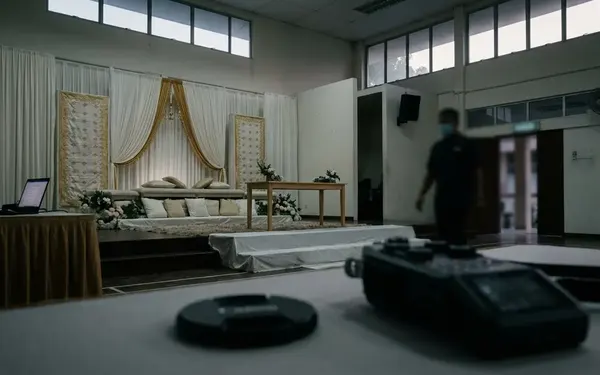
Discuss the stage design. It serves as the primary focal point of the reception.

We determine the floral strategy by prioritizing heat-resistant, in-season stems for the main stage design to maximize visual impact while controlling labor costs. Avoid the aesthetic risk of a heavily saturated look by balancing bold accent colors with neutral tones.
Repurposing floral arrangements from the Nikah to the reception requires a dedicated two-person strike team to transport the installations. Apply the KIS (Keep It Simple) principle to reduce floral labor costs. Floral design proposals and mock-ups are finalized 3 to 5 months prior to the wedding day. Experience from seasonal weddings suggests that guests rarely notice minor centerpiece details, but the main stage remains the focal point of every photograph.
Finalizing Your Vendor Team
The finalization phase integrates spiritual reflection through Istikharah alongside a careful cross-referencing of all vendor contracts against the initial Perfect Muslim Wedding Planning Kit requirements.
In practical planning, contract review involves verifying line-item costs, cancellation policies, and specific cultural accommodation clauses across 4 to 6 distinct vendor agreements. The final contract signing and initial deposit payment step occurs within a 7 to 14 day window following the vendor interviews.
Trust your preparation. Choose vendors who make you feel confident and respected.
Key Takeaway: Secure your core team quickly but methodically, ensuring every cultural and logistical requirement is bound by contract.