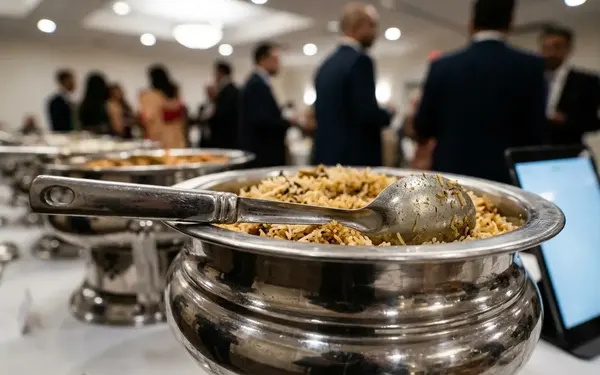
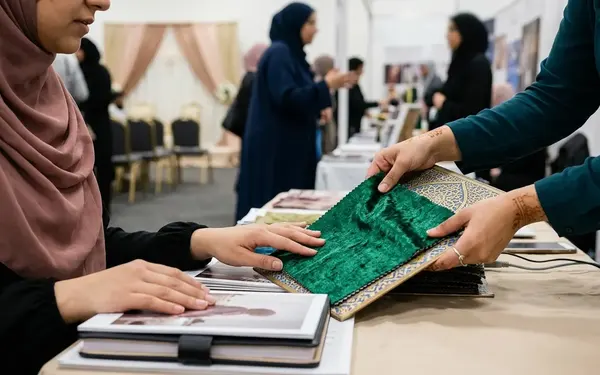
Entering the World of Multicultural Bridal Expos
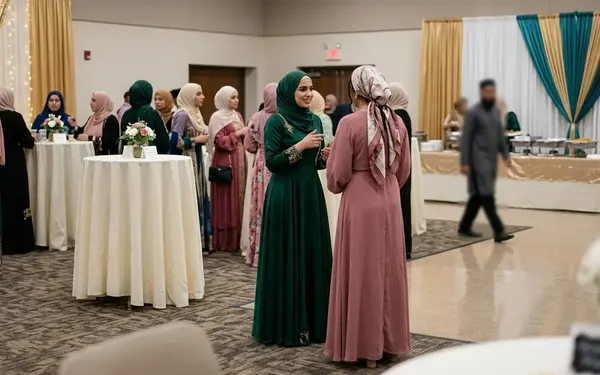
When determining the most effective starting point for Islamic wedding planning, mainstream bridal fairs were initially considered but then ruled out. The decision shifted exclusively to multicultural bridal expos. These specialized events offer a focused gathering of professionals who understand diverse cultural requirements. Seasonal patterns suggest the peak multicultural bridal expo season often runs from late January through early March. Attendees may find floor plans with on the order of 150 to 200 specialized vendor booths.
Finding specialized vendors for modest fashion and halal catering requires this targeted setting. Mainstream events often lack the nuanced understanding necessary for a traditional Nikah or a culturally blended reception. The availability of specialized halal caterers fluctuates significantly depending on the regional demographic density of the host city. Setting the stage for a productive and inspiring visit begins with understanding this setting and adjusting expectations accordingly.
Pre-Expo Preparation: Crafting Your Strategy
Entering a large-scale event without a defined strategy guarantees missed opportunities. The strategy for managing vendor communications was established by setting up a dedicated wedding email address. This ensures personal inboxes remain uncluttered by promotional materials and allows both partners to access correspondence simultaneously.
From reader feedback, reviewing the published vendor directory 7 to 10 days prior to the event provides a distinct tactical advantage. Categorizing vendors into primary and secondary tiers allows for precise floor mapping. Defining the wedding vision dictates these tiers, separating the essential services from the optional enhancements.
Multicultural Bridal Expo Action Checklist
- Create a dedicated wedding email address, per community guides, 14 to 21 days prior to the expo.
- Review the vendor directory and map priority booths 7 to 10 days prior.
- Prepare a written list of cultural competency questions for prospective vendors.
Navigating the Expo Floor with Purpose
The hum of hundreds of conversations, vibrant displays, and overlapping music creates an intense sensory setting. Floor navigation was structured by mapping a perimeter-first route. This approach targets high-demand categories like specialized henna artists before moving to the central aisles to minimize sensory fatigue.
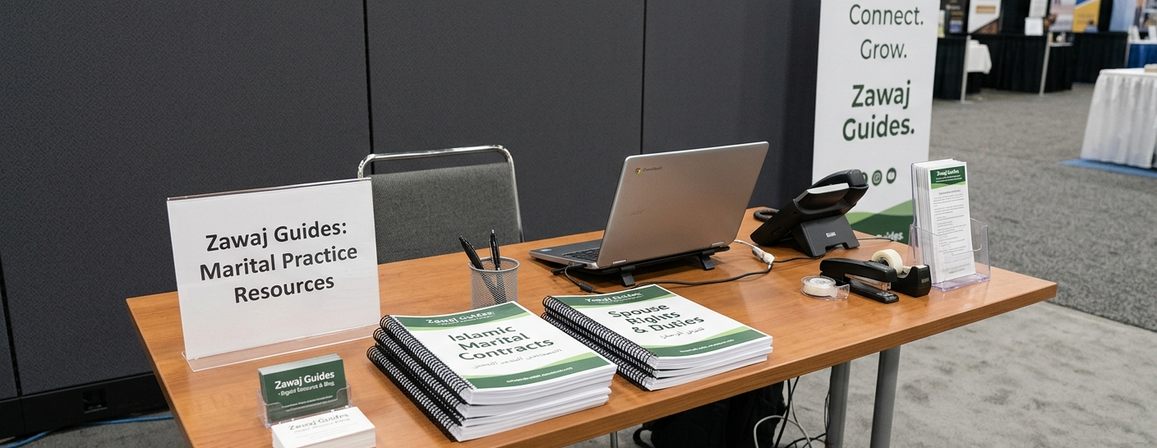
In firsthand evaluation, allocating 15 to 20 minutes per priority booth maintains momentum while allowing for meaningful initial introductions. Scheduling not far from a 30-minute decompression break after just over the first two hours of floor walking restores focus and prevents decision fatigue. Taking organized notes and photos of booth setups provides useful reference material later—an essential practice when comparing multiple vendors offering similar services.
Asking the Right Questions: Vendor Engagement
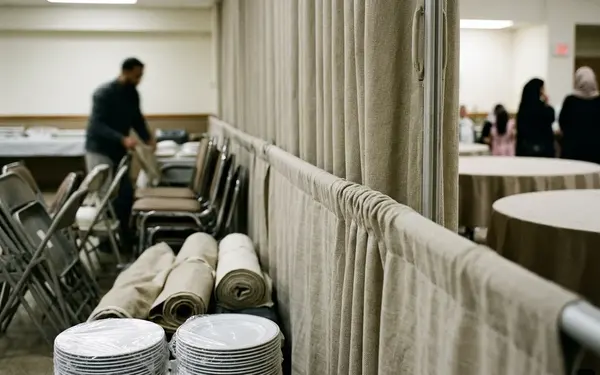
Vendor conversations were shaped around direct cultural competency questions. Couples must specifically focus on a provider's logistical experience with managing physical partitions for gender-segregated spaces. A vendor's ability to integrate these partitions without disrupting the event's aesthetic flow separates seasoned professionals from amateurs.
Warning: Assuming all vendors at a multicultural expo are fully versed in specific Islamic marital traditions leads to misaligned expectations regarding gender-segregated space logistics.
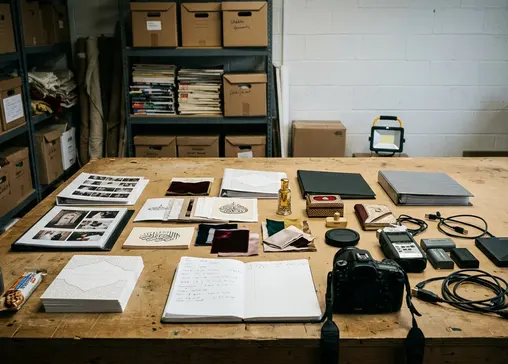
In our review, requesting visual portfolios of previous modest bridal wear alterations proved highly effective. This visual evidence demonstrates a tailor's capability to modify necklines and sleeves while preserving the gown's original design integrity. Verifying halal sourcing documentation from recognized local Islamic dietary boards is non-negotiable for caterers. Discussing customization options ensures the final presentation aligns with both religious requirements and personal taste.
Managing Overwhelm: Expo Limitations
To manage the overwhelming nature of expo settings, strict financial boundaries were established prior to entry. The focus remains solely on information gathering rather than executing on-site contracts. From repeat visits, standard vendor proposal validity periods commonly range from 7 to 14 days post-event. Average deposit requirements are often on the order of $500 to $1,000 for securing dates. While these financial parameters represent useful baseline targets, actual deposit structures vary based on regional market saturation and vendor exclusivity.
Key Takeaway: Exclusive expo pricing and promotional packages frequently require a non-refundable deposit on the floor, which directly conflicts with the necessity of conducting thorough contract reviews and consulting with family members.
Acknowledging that not every vendor will align with Islamic marital practices is a necessary part of the process. Expo displays are highlights, not the full scope of a vendor's capability. Setting boundaries on budget and avoiding impulse bookings on the floor protects the overall wedding investment.
Post-Expo Action Plan: Organizing Your Finds
The hours immediately following the expo are critical for retention and organization. A simple post-event triage system was used to sort collected brochures and business cards into actionable piles, preventing the loss of important contact information. This immediate sorting separates the definitive candidates from the general inquiries.
Pro Tip: Integrating these sorted contacts directly into your Perfect Muslim Wedding Planning Kit streamlines vendor management and keeps all documentation centralized.
Initiating email outreach to top-choice vendors within 48 to 72 hours secures preferred dates before their calendars fill up from the weekend's event. Scheduling formal, one-hour consultation meetings over the subsequent two to three weeks allows for detailed proposal reviews. These formal consultations transition the relationship from a brief expo introduction to a full planning relationship.