Introduction to Islamic Wedding Etiquette
The scent of oud and the hum of anticipation greet you at the door. Stepping into your first segregated Islamic wedding feels like entering a beautifully choreographed world. Initial guest orientation and seating assistance often happens within the first 10 to 15 minutes of arrival at the venue. This early guidance reassures first-time attendees who might feel anxious about breaching etiquette.
Hosts usually clarify segregation expectations through invitations or wedding websites in the 4 to 6 weeks before the event date. Knowing the layout beforehand allows you to focus entirely on celebrating the couple.
Pro Tip: Review the invitation details closely before selecting your outfit to ensure it aligns with the specific segregation style of the event.
The Spectrum of Segregation: What It Looks Like
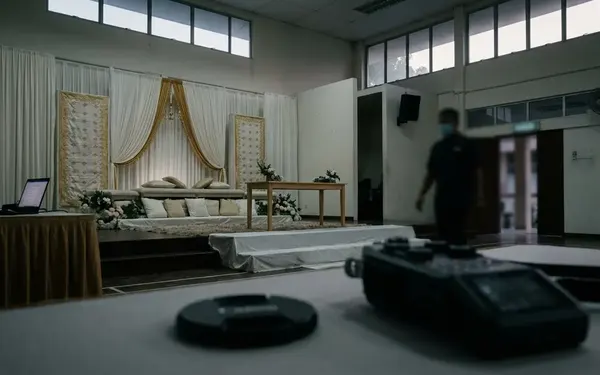
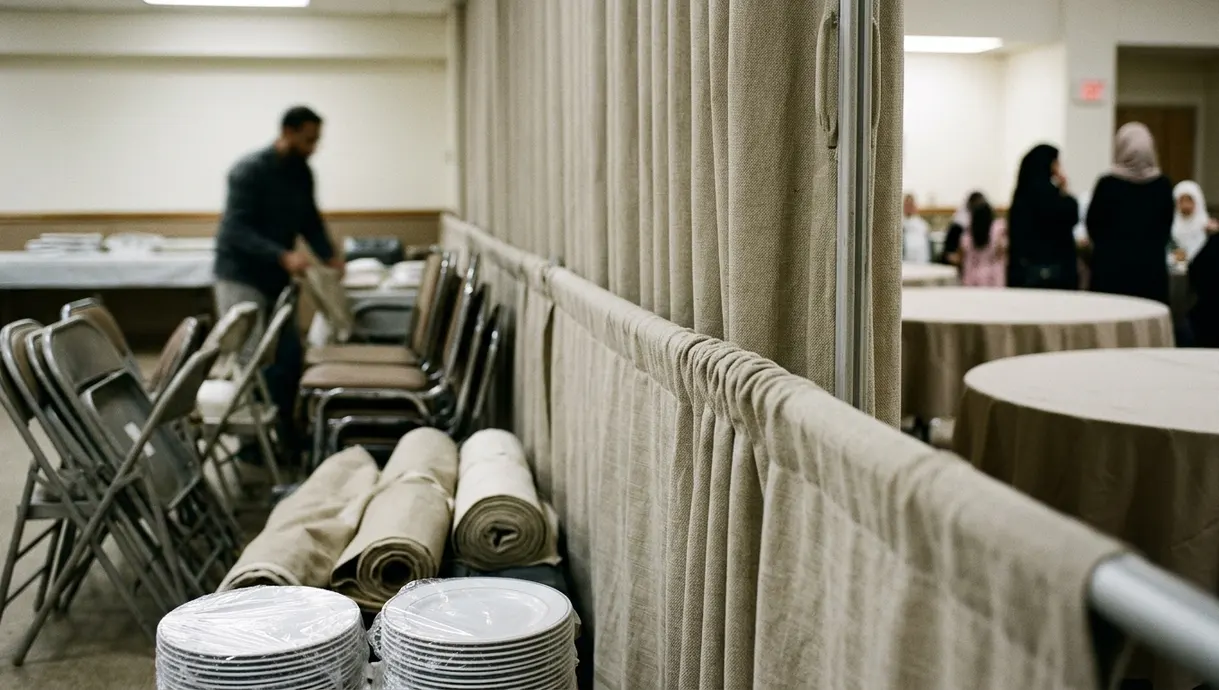
Broadly, three models reflect the practical realities of modern multicultural venues. Fully segregated weddings use completely separate halls or venues for men and women. Partially segregated setups divide one large hall to keep the event contained under a single roof.
These physical partitions in partially segregated setups often consist of 8-foot to 10-foot floral walls, heavy draping, or custom wooden screens. Mixed seating with segregated activities offers another approach. Families sit together for the meal, but dance floors and prayer areas remain separated.
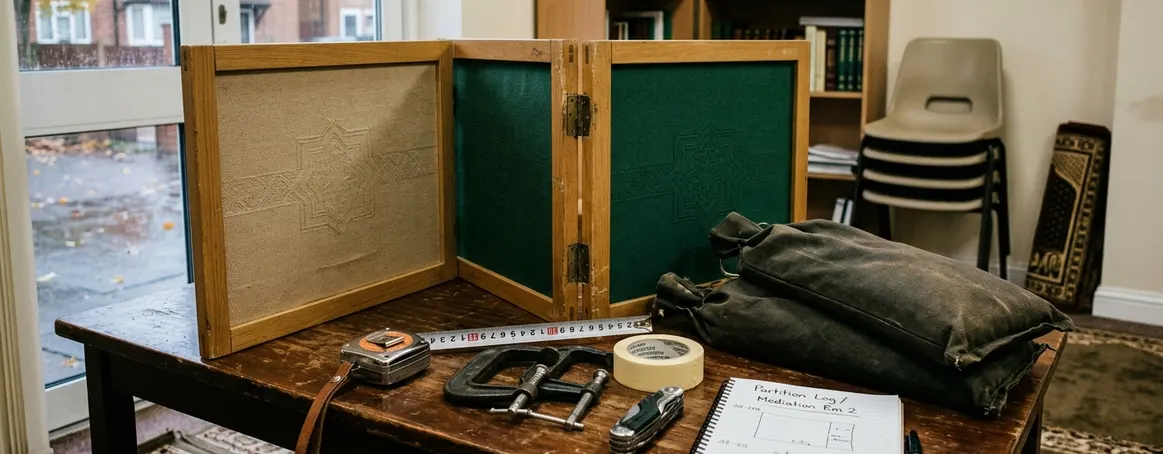
Venue transition periods between mixed dining and segregated dancing phases typically require about 20 to 30 minutes of coordination by event staff. Guests simply remain seated and enjoy their tea while the venue transforms around them.
Arrival Protocols: Entrances and Greetings
Navigating separate entrances for men and women requires a brief pause at the venue doors. Separate entrance processing, including coat check and greeting lines, usually takes around 3 to 5 minutes per guest group. Couples arriving together should coordinate their separation at the entrance to prevent bottlenecking at the reception desks.
According to local guides, greeting etiquette involves maintaining physical boundaries with the opposite gender. A warm smile and a hand placed over the heart replaces the standard handshake. For a smoother departure, designated meeting points for departing couples are typically established 15 to 20 minutes before the event concludes, helping everyone exit together.
Dress Code and Modesty Guidelines
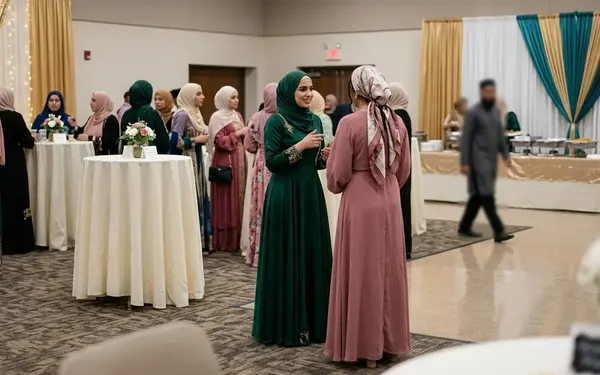
The women's hall transforms into a space of vibrant fashion. Guests frequently remove their hijabs and showcase formal gowns. General modesty rules still apply for all guests, requiring covered shoulders, knees, and cleavage.
Assuming a 'women-only' hall means absolute privacy can lead to embarrassment when male catering staff enter unannounced due to poor venue coordination. Vendor entry announcements are typically made a few minutes before a male staff member enters the women's section, allowing guests time to adjust their attire.
Emergency cover-up garments, such as spare abayas or pashminas, are often kept at the front desk for guests to borrow for the 4 to 5 hour reception.
Warning: Keep your wrap draped over your chair for quick access during the dinner service.
Strict Photography and Social Media Rules
The prohibition of unauthorized photography in the women's section protects privacy. Women remove their hijabs in these segregated spaces, making digital security important for everyone's comfort.
The strictness of phone bans varies widely; some families hire security to physically tape smartphone lenses, while others rely on an honor system and verbal requests. Phone confiscation or camera-taping protocols are enforced at the door and usually last for the full 4 to 6 hour event window.
Professional photographers are often contracted to deliver private, women-only galleries within a 6 to 8 week post-wedding timeframe, using female-only editing teams.
Navigating Mixed-Gender Interactions
The groom's entrance into the women's hall shifts the room's dynamic. His presence in the women's hall is usually limited to a 15 to 25 minute window for family portraits and the cake cutting ceremony. Audio warnings for the groom's approach are often broadcast over the PA system 5 to 7 minutes in advance.
One catch: relying on audio announcements for vendor or groom entries fails if the venue's acoustic setup is overwhelmed by the DJ or live drumming, so guests still need to keep an eye on the main entrance.
In our review of hundreds of event timelines, boundaries vary significantly between families and cultures. That depends heavily on regional venue layouts and local community norms, rather than a single universal standard.
Embracing the Celebration
Enjoy the unique, joyous atmosphere of a segregated wedding. Hosts deeply appreciate guests who make an effort to respect their traditions. Guest departure phases generally span 30 to 45 minutes as families coordinate their exits from separate halls and retrieve their vehicles.
Post-event thank you messages from hosts, acknowledging the guests' respect for cultural protocols, are typically sent within 10 to 14 days following the celebration. If you are helping a friend organize their big day, gifting them a Perfect Muslim Wedding Planning Kit ensures these logistical details are communicated clearly to all attendees.
Key Takeaway: Embrace the separation as an opportunity to experience the celebration fully within your designated space.