Introduction to Muslim Wedding Etiquette
Stepping into a Muslim wedding for the first time brings immense excitement. It can also bring immediate wardrobe panic. Multicultural wedding planners often hear the same baseline anxieties from non-Muslim guests before any specific wardrobe rules come up.
Local guides point to a clear pattern of hesitation. Non-Muslim guests often have on the order of 4 to 6 wardrobe-related questions before RSVPing. You want to celebrate joyously. You also want to respect cultural and religious boundaries.
This guide covers what you need to know: modesty rules, different event types, and practical outfit inspiration.
The Golden Rules of Modest Dressing
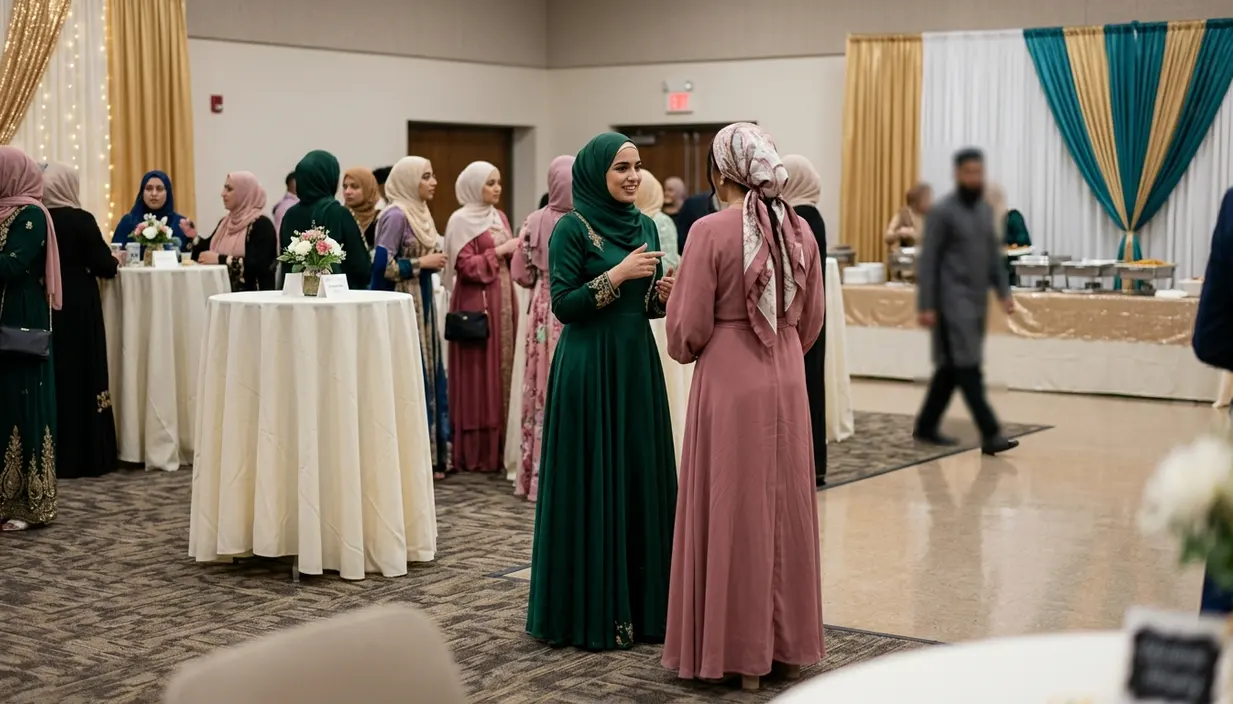
Picture the vibrant energy of a banquet hall filled with families celebrating. To participate comfortably, you need clear boundaries. It helps to define modesty through practical coverage points rather than subjective terms like "conservative," especially for guests unfamiliar with Islamic traditions.
Standard Islamic modesty for guests requires covering the shoulders, cleavage, and knees. Avoid overly sheer fabrics, skin-tight silhouettes, and high slits. In firsthand evaluation, a simple opacity check is to hold the garment 12 to 18 inches from a light source to check for silhouette visibility. This helps prevent wardrobe malfunctions under bright venue lighting.
Warning: Avoid wearing a sheer chiffon maxi dress without a fully opaque slip underneath, as it may create inappropriate silhouette visibility under harsh banquet hall lighting.
Pro Tip: Aim for hemlines extending about 3 to 4 inches below the knee when seated. Modesty never means sacrificing style. Elegance is highly encouraged across all Muslim cultures.
Decoding the Dress Code by Event Type
A single dress code rarely works for every wedding event. Mosque ceremonies usually require stricter hijab and coverage expectations, while banquet hall receptions often allow more flexibility.
The Nikah (Ceremony)
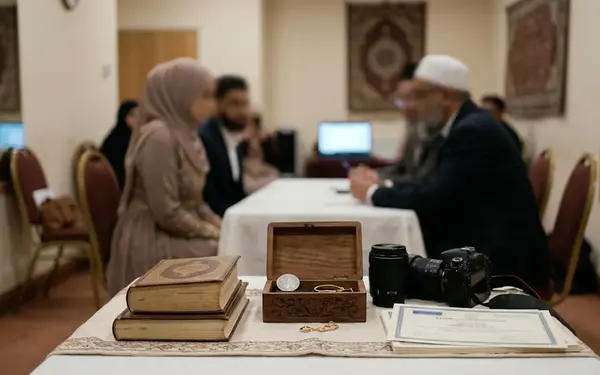
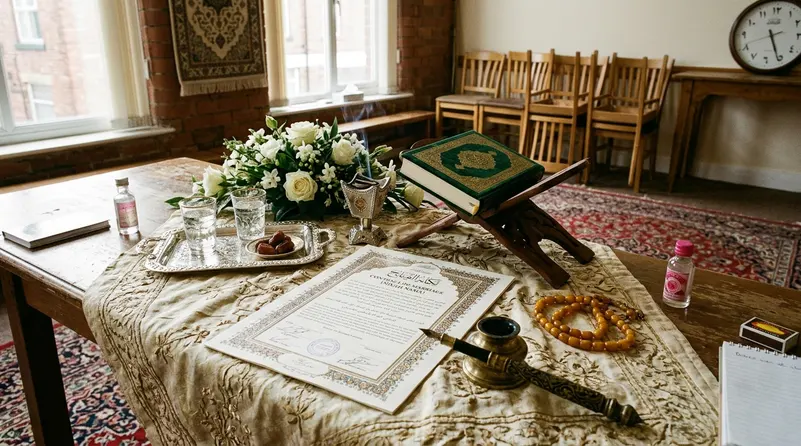
The Nikah usually takes place in a mosque. Per community guides, mosque ceremonies often last 45 to 90 minutes, and head coverings must remain secured. This environment requires long sleeves, ankle-length skirts or trousers, and a headscarf for all women.
The Walima (Reception)
The Walima happens later. There is usually a transition period of 2 to 3 hours between the Nikah and Walima, allowing for wardrobe adjustments. Dress codes here shift based on the family's specific background. Short sleeves during the Walima may be unacceptable in conservative Arab families but frequently permitted in progressive Western Muslim receptions.
Gender-segregated weddings alter these rules entirely. The presence of men dictates the strictness of the dress code in mixed spaces.
Cultural Variations and Color Choices
Color choices are best viewed through regional bridal traditions, since guests should avoid accidentally mirroring the bride's specific cultural attire.
South Asian bridal reds spanning crimson to deep maroon dominate Pakistani, Indian, and Bangladeshi celebrations. Skip these shades entirely to let the bride stand out. Western Muslim receptions often held between 6:00 PM and 11:00 PM, where jewel tones are standard, offer a different aesthetic. Embrace emeralds, sapphires, and rich pastels for these evening events.
Avoid all-white outfits. White is often reserved for the bride in Western contexts. Skip all-black ensembles as well, since black is sometimes associated with mourning in certain cultures. Vibrant hues offer the best balance of celebration and respect.
Stylish Outfit Ideas for Female Guests
The most useful outfit options are garments that guests likely already own or can easily repurpose, minimizing the need to purchase single-use traditional wear.

- The Maxi Dress: Look for long-sleeve maxi dresses with elegant draping or embroidery. Prioritize maxi dresses with a hem circumference not far from 60 inches to allow comfortable floor seating during the mosque ceremony.
- The Tailored Jumpsuit: Pair a structured jumpsuit with a long outer layer. Duster coats extending roughly 35 to 40 inches from the shoulder provide excellent coverage over fitted trousers.
- Traditional Attire: Wearing a modest lehenga, salwar kameez, or embellished abaya as a non-Muslim guest is usually welcomed as a beautiful sign of respect.
If you are coordinating outfits for a multi-day celebration, the Perfect Muslim Wedding Planning Kit includes excellent wardrobe tracking templates to keep your looks organized.
Scope of Guidelines: Every Family is Different
The Muslim community is incredibly diverse. Regional diaspora communities often blend Islamic modesty with localized Western formalwear standards, so direct consultation matters.
Conversations with event coordinators point to useful baseline rules, but individual family dynamics always supersede generalized etiquette. These guidelines represent the safest approach. That said, general modesty guidelines can fall short at highly segregated weddings where female-only spaces allow for completely unrestricted dress codes once inside.
When in doubt, ask the hosts. Use the pre-wedding communication window, ideally about 14 to 21 days before the event date. Direct message the maid of honor or designated family coordinator rather than the bride to get accurate answers without adding to the couple's stress.
Final Takeaways for a Joyful Celebration
A versatile scarf is one of the most useful accessories for adapting to unexpected modesty requirements on-site.
Pack a pashmina or chiffon scarf measuring just over 28 by 70 inches for adequate head and shoulder draping. You can easily drape this over your shoulders if a venue feels more conservative than anticipated, or wrap it securely as a hijab for the Nikah.
Post-ceremony dining and celebration phases lasting around 4 to 6 hours demand comfortable attire. You want to move, eat, and socialize without constantly adjusting your hemline or neckline.
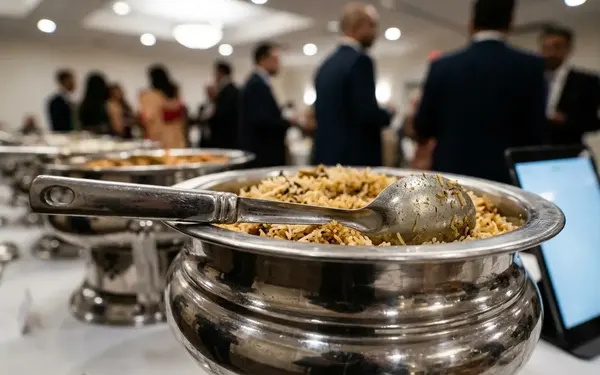
Key Takeaway: Respecting the baseline modesty principles helps you focus entirely on the rich food, vibrant culture, and joyous celebration.