The Heart of the Celebration
What makes a Walima truly blessed in the eyes of Islamic tradition?
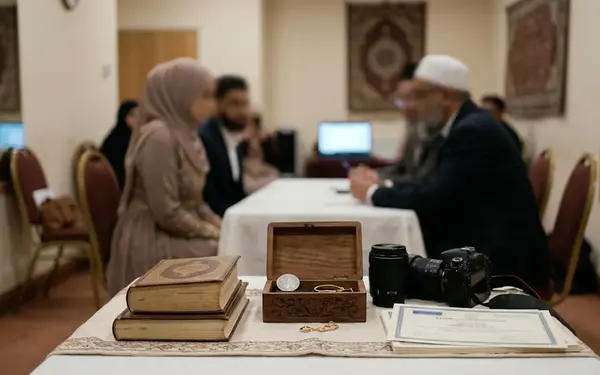
The answer begins after the Nikah. The marriage contract establishes the union; the Walima brings that union into the life of the community. Family, neighbors, and guests gather around food, offer du'a, and share the couple's happiness. A private commitment becomes a public celebration.
This dual character shapes every planning decision. The Walima carries spiritual meaning, yet someone still has to confirm the caterer, arrange the tables, and decide whether an elaborate floral wall deserves space in the budget. Good planning keeps those practical details in service of gratitude rather than display.
Couples often settle their event vision and identify the main source of funding well before booking begins. Start with three plain questions: Who should share this meal? What can the families comfortably spend? Which choices will preserve the dignity and religious character of the gathering?
Set The Intention
Write a one-sentence purpose for the Walima before comparing venues. “We want to announce our marriage, feed our community, and celebrate within our means” is strong enough to guide an entire planning file.

Understanding the Sunnah of the Walima
The traditional timing follows the consummation of the marriage, although local customs and practical circumstances influence the precise date. The sequence matters: Nikah, marital union, then the public meal of gratitude. Couples working around travel, venue access, or relatives arriving from abroad should preserve that meaning even when the gathering cannot take place immediately.
The Walima serves two connected purposes. It announces the marriage openly, and it feeds people as an expression of thanks to Allah. Both purposes can be fulfilled in a banquet hall, a mosque community room, a family garden, or a modest restaurant.
Simplicity Has A Wide Range
Accounts of the Prophet's Walimas describe meals ranging from a sheep to simple servings of barley and dates. These examples establish affordability as the baseline rather than imposing one ceremonial menu. Generosity follows capacity.
Israf, or wasteful excess, must therefore be assessed in context. A multi-course dinner may sit comfortably within one family's finances while placing another couple under years of pressure. The useful test is concrete: Does this expense serve guests, uphold hospitality, or solve a real logistical need? If it mainly creates comparison, status, or debt, remove it from the plan.
That test applies beyond food. Imported flowers, repeated outfit changes, oversized stages, and décor discarded after a few hours all deserve scrutiny. Elegant choices can remain restrained: warm lighting, clean linens, reusable table pieces, and a well-paced meal often create a more gracious room than crowded ornament.
Measure Excess Honestly
Review Israf against the couple's actual resources and local costs. The invoice alone cannot reveal whether a choice is responsible; its effect on the household can.
Determining Your Guest List and Budget
A Walima guest list becomes difficult when it starts as a collection of names. Build it as a set of circles instead.
- Fix the spending ceiling. Record the amount already available, who is contributing, and which contributions come with expectations. Avoid budgeting around gifts that guests may bring.
- List the closest circle. Begin with parents, siblings, grandparents, guardians, and the people directly involved in the couple's daily life.
- Add extended relatives. Place a mark beside anyone whose invitation carries a genuine family obligation rather than social pressure.
- Make room for the local community. Include neighbors, mosque attendees, new Muslims, students living away from family, and people facing hardship. Invitations should cross lines of wealth and influence.
- Create a later-invitation list. Use it only when declines create space. Keep the process discreet so guests never feel ranked.
When inviting people facing financial hardship, coordinate quietly through a trusted local contact. Publicly identifying a “charity table” can embarrass the very guests the couple hopes to honor.
Spend Where Guests Feel It
Venue, food, and basic comfort should take priority. Check prayer access, washroom suitability, step-free entry, parking, heating or cooling, and the time allowed for setup. A low room hire fee loses its value when mandatory suppliers or short access windows inflate the final bill.
I would lock the guest ceiling before discussing décor. Each added table changes catering, linens, service staffing, and floor space at once. One casual invitation can carry several hidden costs.
For decoration, choose a focal area and let the rest of the room breathe. A restrained entrance, tidy tables, and one reusable backdrop provide enough visual structure for most Walimas. The Perfect Muslim Wedding Planning Kit can hold the guest circles, contribution notes, venue quotations, and final approvals in one working record.
Selecting the Menu and Catering Style
The fragrance of cardamom rice reaches the tables first. Then come platters of lamb, bowls of salad, warm bread, and small dishes passed from hand to hand. This is where cultural memory becomes tangible, and where careful Halal controls matter most.
Ask the caterer for current Halal sourcing documentation for every meat supplier. Confirm the slaughter source, ingredient labels, storage process, preparation surfaces, cooking utensils, and serving equipment. Shared kitchens need explicit procedures because a Halal ingredient can still be compromised through contact with non-Halal meat, alcohol-based cooking products, or unclean equipment.
Audit The Kitchen
Never assume catering staff share the same understanding of cross-contamination. Put the requirements in the contract and review them with the kitchen lead before the event.
Choose A Service Style
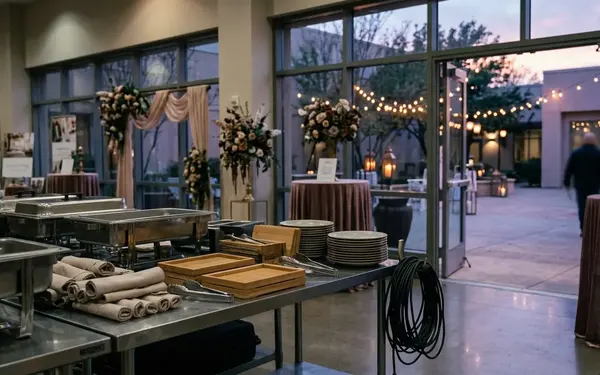
- Family-style: Platters of biryani, mandi, tagine, grilled meat, and vegetables encourage sharing. Tables need enough space, and staff must replenish dishes without overloading them.
- Plated dinner: Portions look controlled and service feels formal. Collect dietary choices early and allow enough time for each course.
- Buffet: Guests can select familiar foods and accommodate varied appetites. Use clear labels, separate utensils, and an orderly table sequence.
- Hybrid service: Place breads, salads, and starters on tables, then serve the main course from a staffed buffet. This reduces queues while retaining choice.
A blended menu can carry several family histories without becoming chaotic. Select one anchor dish from each side, add a neutral vegetable or grain, and finish with a dessert table that guests can approach at their own pace. A Desi biryani can sit comfortably beside an Arab grilled dish or a North African tagine when the flavors and serving order have been planned together.
Plan For Surplus Before It Exists
Food donation needs advance coordination. Contact a local food rescue group or shelter before the Walima and ask what it can accept, how trays must be cooled and labeled, and whether pickup is available. Keep untouched food separate from dishes that have reached guest tables.
Assign one named person to speak with the caterer near the end of service. That person should oversee safe storage, label contents and allergens, and release the food promptly to the receiving volunteers. Biodegradable divided containers work well when the organization prefers individual meals.
Walima Sunnah & Logistics Checklist
- Verify Halal certification and cross-contamination procedures for every meat supplier.
- Reserve seats for community members and guests experiencing hardship.
- Confirm the food rescue arrangement before the event.
- Record dietary needs and allergens alongside each household response.
- Name the person responsible for packing and releasing untouched food.
Navigating Modern Multicultural Celebrations
One family may picture a Desi banquet with a formal stage. Another may expect an Arab-style meal served on shared platters. Western relatives might anticipate speeches and assigned seating, while African family traditions may place strong emphasis on elder introductions, fabric, rhythm, or communal participation.
Resolve these expectations by separating religious requirements from cultural preferences. Put each requested element into one of three categories: essential Islamic practice, meaningful family custom, or optional presentation. That exercise turns an emotional disagreement into a planning conversation.
Design The Room In Zones
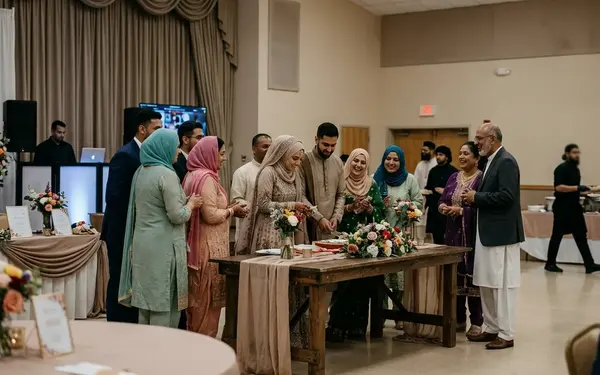
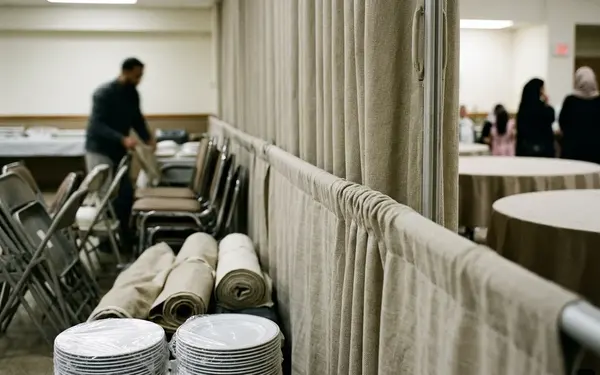
Optional gender-separated seating can be handled with movable partitions, floral walls, or distinct table areas. The entrance team should explain the layout warmly and avoid forcing guests into awkward public decisions. Some couples provide family tables, a women-focused area, and a men-focused area within the same venue, with clear access to food and exits from each zone.
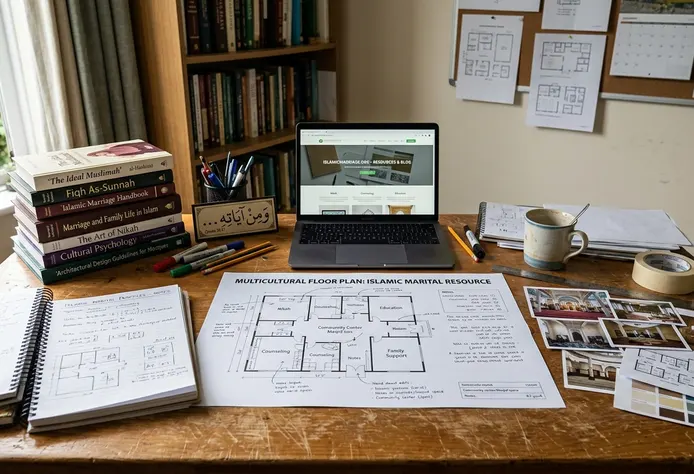
Check sightlines before approving the floor plan. Tall partitions can block serving routes, emergency access, speakers, or the couple's entrance. Prayer space also needs a calm position away from kitchen noise and entertainment equipment.
Keep The Programme Festive
Entertainment should support the atmosphere without overtaking the gathering. Nasheeds, acoustic performances, poetry, culturally significant entrances, and short family speeches can all work when their content and setting align with the couple's Islamic boundaries.
Use defined performance sets with conversational pauses. Guests need time to eat, greet relatives, and prepare for prayer. Give the host a written running order that includes prayer windows, meal service, speeches, and any separate arrangements requested by the families.
The strongest multicultural Walimas use selective detail. A fabric pattern on the menus, two carefully chosen dishes, and a brief explanation from the host often carry more meaning than a programme packed with competing customs.
A Celebration of Community
On a crisp autumn afternoon, a newly married couple welcomes guests into a backyard arranged with long family tables. String lights hang between the olive trees. The air smells of roasted lamb, citrus, and warm bread as neighbors of different faiths pass platters to one another.
There is no towering stage. The couple moves from table to table, greeting elders, laughing with children, and checking that the newest neighbor has found a seat. A quiet corner has been prepared for prayer, while the kitchen team keeps untouched trays covered and ready.
As the light fades, shelter volunteers arrive at the side gate. The bride steadies a stack of divided biodegradable boxes while the groom labels the last tray. Together they hand over the remaining meals beneath the olive trees, with the string lights glowing above an almost-cleared table.