At its center, the Nikah is not a stage moment. It is a contract, a covenant, and the formal beginning of lawful love in Islam.
I frame it that way on purpose. Classical Islamic jurisprudence treats marriage as an agreement with rights, duties, witnesses, consent, and a bridal gift. The spiritual beauty is real, but it sits inside a clear legal and ethical structure. That balance is what makes the Nikah both simple and serious.
What's Inside
- The Foundation of Halal Love
- Essential Pillars of the Islamic Marriage Contract
- The Role of the Imam and the Ceremony Structure
- Navigating Sunnah Traditions and Cultural Celebrations
- Wisdom on Marriage: Hadith, Scholars, and Poetry
- Scope and Limitations: Religious vs. Legal Marriage
- Embracing the Journey of Marriage
The Foundation of Halal Love
A Nikah is the core Islamic marriage contract. It brings a man and woman into a lawful marital relationship through consent, witnesses, and agreed terms. In practical language: it marks the point where affection becomes responsibility.
That phrase, “halal love,” gets used casually now, but it has weight. It does not mean romance with an Islamic label pasted over it. It means love given a protected home: public, accountable, and tied to mercy, maintenance, privacy, and mutual rights.
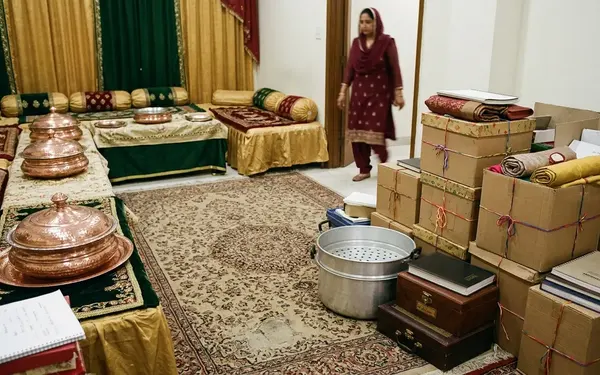
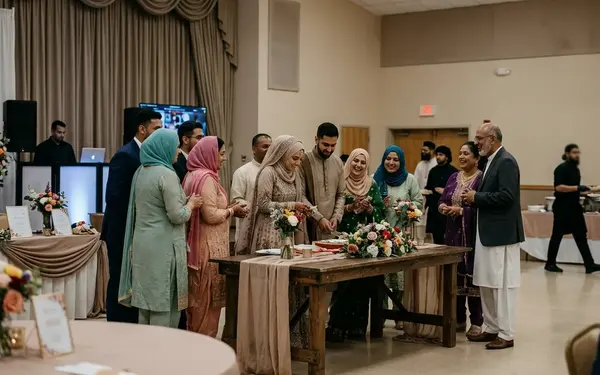
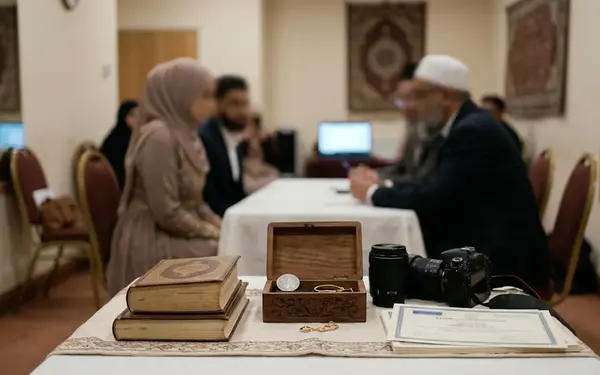
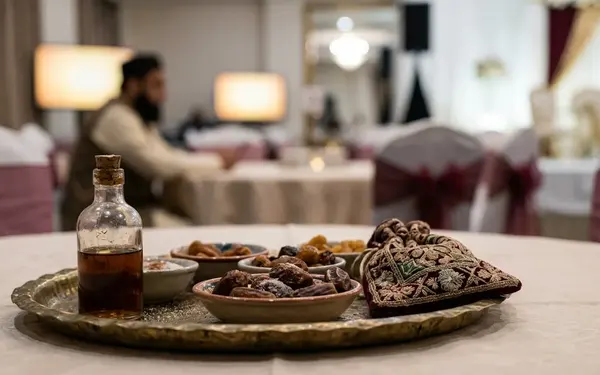
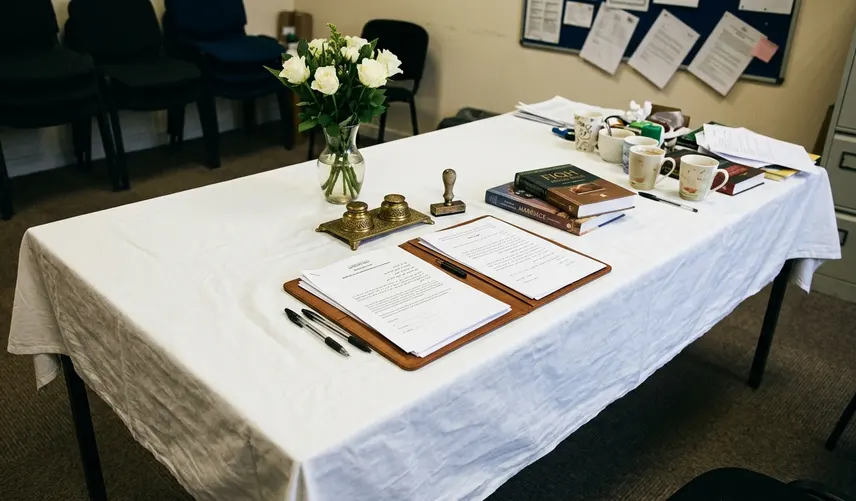
The room often tells the story before anyone speaks. A small table. Dates in a dish. Families sitting shoulder to shoulder. Someone checking the spelling of names on the Nikah Nama while an aunt quietly adjusts the bride’s dupatta. The ceremony can feel tender and administrative at the same time, and that is not a flaw.
In firsthand evaluation, pre-marital counseling that covers Islamic marital rights and obligations is often most useful around 4 to 6 weeks before the ceremony. That timing is early enough to discuss expectations without turning the final wedding week into a legal and emotional scramble.
Key Takeaway: The Nikah is beautiful because it is not vague. It names the relationship, protects both spouses, and starts married life with a public commitment before Allah and the community.
Essential Pillars of the Islamic Marriage Contract
The core requirements are few, but each one matters. A couple can have a lavish hall and still mishandle the essentials. They can also marry in a living room after Asr with complete Islamic validity when the pillars are in place.
The Wali: Permission, Protection, and Support
The Wali is the bride’s guardian, traditionally her father or another eligible male guardian in the family. His role is not decorative. He helps ensure the marriage is entered with care, dignity, and protection of the bride’s interests.
In healthy practice, the Wali listens before he speaks. He asks about compatibility, faith, character, and the Mahr. He does not use the role to pressure, delay without cause, or turn a marriage proposal into a family power contest.
The Mahr: A Bridal Gift, Not a Dowry
Use the word Mahr carefully. It is a mandatory gift from the groom to the bride. It is not a dowry, because dowry often refers to money or property paid by the bride’s family to the groom or his family in certain cultural systems.
That distinction saves couples from a lot of confusion. The Mahr belongs to the bride. It can be modest or substantial, immediate or deferred, and it should be negotiated with honesty. Mahr structures vary widely between immediate upfront payments and deferred sums based on regional economic customs, with some deferred arrangements structured over a 1 to 5 year period after the ceremony.
Warning: Excessive Mahr demands can distort the Islamic spirit of marriage. A meaningful gift is one thing; a financial barrier that humiliates or burdens the groom is another.
Ijab and Qabul: Offer and Acceptance
The Ijab and Qabul are the spoken offer and acceptance. They must be clear. No riddles, no teasing, no “you know what I mean.”
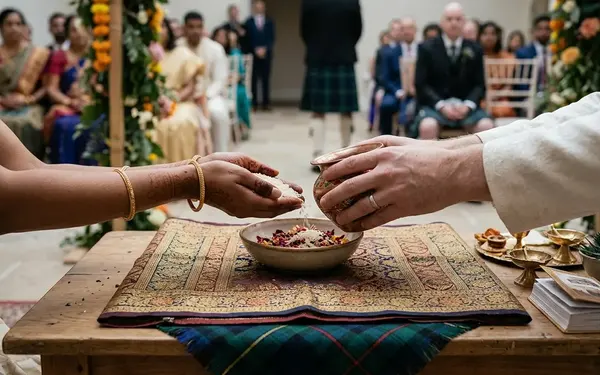
A typical format includes a verbal offer of marriage and a direct acceptance, witnessed by two adult, sane Muslims. The exact wording may vary by language and school of law, but the meaning should not be ambiguous. Everyone present should understand that a marriage contract has just been concluded.
The Role of the Imam and the Ceremony Structure
The Imam often officiates the Nikah because families trust his knowledge and calm presence. He sets the tone, reviews the requirements, confirms consent, and guides the spoken contract. A good Imam also knows when to keep the ceremony focused.
Still, Islam does not require a formal cleric in the way some religious traditions do. Any knowledgeable Muslim who understands the requirements can lead the process. This matters for couples in small towns, university communities, military settings, or places where access to an Imam is limited.
The Khutbah-tul-Haajah
Many ceremonies begin with the Khutbah-tul-Haajah, the marriage sermon that praises Allah, invokes guidance, and reminds the couple of taqwa. In many communities, it is recited in Arabic and followed by a vernacular translation so both families can understand the advice.
The sermon, per community guides, usually lasts 10 to 15 minutes. That is enough. The point is not to turn the Nikah into a lecture series; it is to bless the gathering and anchor the marriage in remembrance of Allah.
Modern Adaptations That Still Respect the Contract
Bilingual sermons can be helpful, especially when one side of the family does not speak Arabic, Urdu, Somali, Malay, Turkish, or the dominant community language. Personalized reflections can also work if they do not replace the required offer, acceptance, witnesses, and Mahr.
Some couples want vows. I do not object to sincere promises, but I place them after the contract, not inside it. Keep the legal-religious mechanism clean; let the personal words add warmth around it.
Planning Tip: Ask the officiant to review the exact ceremony order a week in advance. It prevents awkward pauses when families are already emotional and photographers are circling the aisle.
Navigating Sunnah Traditions and Cultural Celebrations
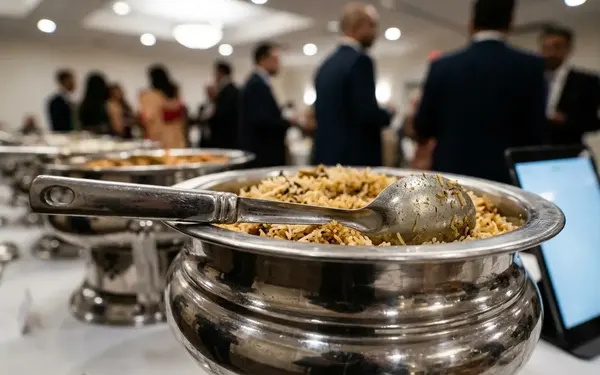
The Walima is the Sunnah celebration most couples should understand first. It is the public meal hosted to announce the marriage and share joy with the community. It may be simple, generous, formal, or home-cooked, but its purpose is public recognition, not social performance.
Many families, per community guides, host the Walima 1 to 3 days after the completion of the Nikah. That window works well because the contract has already been completed, and the celebration now reflects a marriage that exists.
Mehndi and Women-Centered Pre-Wedding Joy
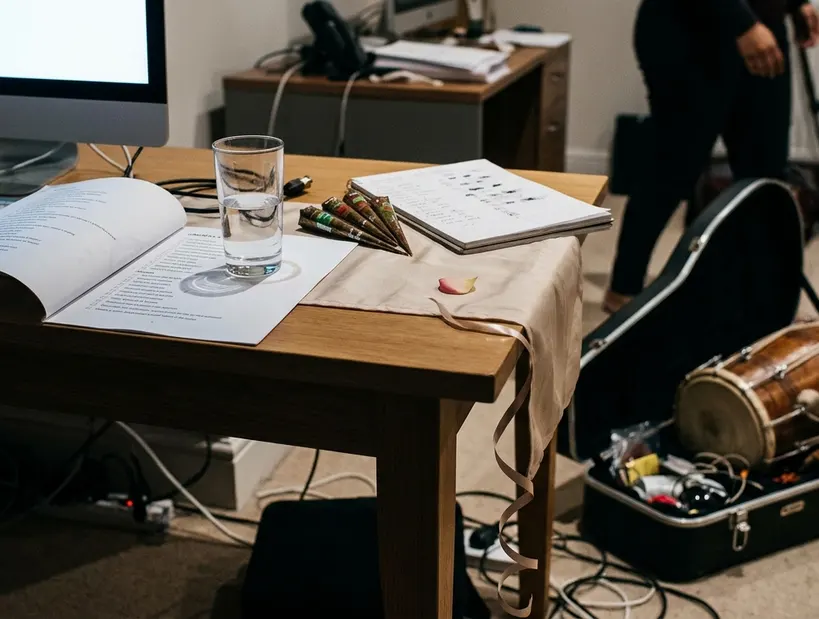
The Mehndi is beloved in many South Asian, Middle Eastern, and African-influenced wedding cultures. The smell of henna, the rhythm of hand drums, the teasing songs, the bride sitting still while cousins rotate around her hands — it carries family memory.
But it is cultural, not required. That does not make it wrong. It simply means couples should not treat it like a religious pillar or shame families who choose not to hold one.
Required, Recommended, Optional
- Required: valid contract elements such as consent, Wali where applicable, witnesses, Mahr, Ijab, and Qabul.
- Sunnah practice: announcing the marriage through the Walima.
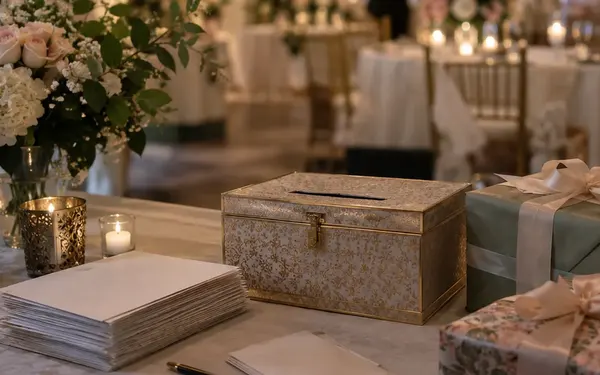
- Cultural celebration: events such as Mehndi, entrance songs, dress colors, gift trays, and regional food customs.
This sorting exercise is one of the most useful parts of the Perfect Muslim Wedding Planning Kit. When couples separate Islam from culture without insulting culture, the planning atmosphere changes. People breathe again.
Wisdom on Marriage: Hadith, Scholars, and Poetry
Marriage in Islam is not treated as a private romance detached from worship. The well-known meaning found in Hadith literature describes marriage as completing half of one’s faith, which is why the remaining half demands God-consciousness. The point is not that marriage makes someone automatically righteous. It is that married life exposes character every day.
Patience is tested over breakfast. Generosity is tested when money is tight. Mercy is tested when one spouse is tired and the other needs tenderness.
Contemporary Voices on Attachment and Responsibility
Yasmin Mogahed’s work often helps modern couples name the difference between love and emotional dependency. Her language around attachment is especially useful for spouses who expect marriage to heal every insecurity. It will not.
Yasir Qadhi’s marital advice tends to land differently: practical, direct, and grounded in everyday obligations. He often pulls the conversation back to rights, conflict, and the discipline of living with another person. That is needed, because many couples prepare for the wedding far more carefully than they prepare for disagreement.
A methodological note is worth making here: I treat contemporary reflections and poetry as lenses for marital wisdom, not as independent sources of Islamic law. Legal weight belongs to Qur’an, Sunnah, and the recognized tools of scholarship.
Rumi and the Language of Divine Love
Rumi’s Masnavi, written during the 1258–1273 period, gives couples a different register. His poetry is not a Nikah manual. It is a meditation on longing, ego, surrender, and the way human love can point beyond itself.
Used carefully, that language can soften a wedding program or a private card between spouses. Used carelessly, it can make marriage sound like permanent ecstasy. Real marriage is more grounded: prayer mats, shared bills, family visits, forgiveness after sharp words, and choosing each other again without applause.
Scope and Limitations: Religious vs. Legal Marriage
This is where elegant wedding planning must become sober. A religious Nikah does not automatically grant civil legal rights in many Western countries. The Islamic marriage contract may be religiously meaningful, but the state may not recognize it unless the couple completes the required civil process.
A purely religious Nikah contract holds no binding civil authority in Western jurisdictions unless accompanied by a state-issued marriage certificate. That can leave spouses exposed during separation, inheritance disputes, immigration filings, medical emergencies, or property disagreements.
Warning: Unregistered religious marriages can leave spouses without legal recourse or asset division rights during a separation. Do not treat paperwork as a boring afterthought.
Civil License First, or Alongside the Nikah
Couples should check local requirements early. In some regions, filing a civil marriage license with the local municipal clerk must happen 28 to 72 days before the religious ceremony, depending on regional law. That is not the week-before-wedding task people imagine it to be.
The cleanest process is usually simple: confirm the civil requirements, appoint the religious officiant, prepare the Nikah Nama, agree on the Mahr, and make sure the bride, groom, Wali, and witnesses know when they are signing what. The civil and religious tracks should support each other, not compete.
When Culture Overreaches
Legal confusion is not the only risk. Cultural pressure can also twist the marriage contract. Excessive gift lists, performative gold demands, and public negotiations can bury the modesty Islam encourages.
The Mahr should honor the bride, not become a community spectacle.
Embracing the Journey of Marriage
From repeat visits, the Nikah’s simplicity is part of its mercy. The core contractual ceremony can take 15 to 20 minutes, including the signing of the physical Nikah Nama by the bride, groom, Wali, and witnesses. That short window can carry a lifetime of meaning.
Couples often fear that a simple Nikah will feel incomplete. I have found the opposite to be true. When the essentials are clear, the celebration feels lighter. The families know what has happened. The couple knows what they have promised. The day stops being a production and becomes a beginning.
Use the Perfect Muslim Wedding Planning Kit to organize the logistics, but do not let logistics become the heart of the wedding. Choose a Mahr with sincerity. Invite witnesses who understand the moment. Feed people within your means. Register the marriage properly. Then walk into the marriage with humility.
The flowers will fade. The contract remains. More importantly, the amanah remains.