Mahr is often translated too quickly as dowry, and that shortcut creates confusion. In Islamic marriage, Mahr is not a payment from the bride’s family to the groom. It is a mandatory, loving gift from the groom to the bride, agreed before the Nikah, and it belongs to her alone.
I like to begin there because it changes the whole conversation. Mahr is not family theater. It is not a price tag on the bride. It is a right, a protection, and, when chosen with care, a quiet declaration of commitment.
What's Inside
- Understanding the Significance of Mahr
- Criteria for Selecting the Perfect Mahr
- Traditional and Financial Mahr Ideas
- Educational and Spiritual Mahr Ideas
- Modern and Practical Mahr Ideas
- Important Limitations and Islamic Guidelines
- Final Thoughts on Choosing Your Mahr
Understanding the Significance of Mahr

Mahr is one of the required elements of an Islamic marriage contract. The groom gives it to the bride, and once given, it is her exclusive property. Historical Islamic jurisprudence texts are clear on this point: neither her father nor her husband may take it without her explicit, uncoerced consent.
That legal clarity matters in real homes. I have seen brides choose gold and keep it in a safe deposit box. I have seen brides choose tuition, then use it years later when the marriage had settled into its ordinary rhythms. I have also seen cash Mahr placed into a personal account the bride never had to justify to anyone.
The spirit is not heaviness. A good Mahr should feel like amanah, a trust, not a burden strapped to the groom before the marriage even begins. The Sunnah favors ease, modesty, and sincerity.
Key Takeaway: Mahr is not a cultural dowry paid to the groom. It is the bride’s right, named before the Nikah, and owned by her alone.
Criteria for Selecting the Perfect Mahr
The best Mahr choices usually pass three tests: the groom can actually afford it, the bride genuinely values it, and everyone can describe it without squinting.

Affordability comes first because debt has a way of leaking into every corner of early marriage. If a groom has to borrow heavily or delay the Nikah for months to meet a performative request, the Mahr has lost its proportion. This does not mean the bride should ask for something meaningless. It means the request should match the groom’s actual financial capacity, not the expectations of distant relatives.
Personal value is the second test. A bride who is building a business may benefit more from equipment than from ornate jewelry. A bride who wants Islamic studies may value tuition more than cash. A bride who wants liquidity may prefer a bank transfer over sentimental items.
Clarity is the test couples underestimate. A standard Mahr agreement should state whether the gift is prompt, known as mu'ajjal, or deferred, known as mu'akhkhar, and it should include an exact payment schedule. Pre-marital counseling frameworks often recommend 2 to 4 sessions for financial disclosures and Mahr negotiations, and I think that is not excessive. Money conversations held early are calmer than money conversations held right before the Nikah.
- Name the item or amount clearly.
- State when it will be paid or transferred.
- Record who holds documentation.
- Confirm whether any portion is deferred.
- Keep copies with the Nikah papers and civil marriage documents, where applicable.
Pro Tip: Use the Mahr worksheet inside your Perfect Muslim Wedding Planning Kit during the same week you discuss the Nikah date, witness list, and officiant. Couples commonly need on the order of 3 to 6 weeks to finalize the terms without family pressure.
Traditional and Financial Mahr Ideas
Traditional does not have to mean old-fashioned. The strength of classic Mahr choices is that they are easy to identify, easy to transfer, and easy to value later.
1. Gold Jewelry or Bullion
Gold has a particular sound when a jeweler lays it on velvet: small, bright, unmistakably tangible. That is part of its appeal. A bride can hold it, store it, sell it, or pass it down.
For Mahr, gold jewelry can be meaningful, but bullion is cleaner from a valuation standpoint. Standard gold Mahr requests often specify 24-karat bullion coins or bars weighing between around 10 grams and 50 grams. This makes market value easier to verify and avoids arguments over design, craftsmanship, or sentimental markup.
If the bride loves jewelry, write the details anyway: karat, weight, pieces, and whether the value includes workmanship. Vague phrases like a gold set sound elegant in the sitting room and messy in a dispute.
2. Cash Savings
Cash is not poetic, but it is honest.
A cash Mahr works well when the bride wants flexibility. The amount can be deposited directly into her personal bank account, separate from joint household funds. Islamic finance advisors suggest transferring the funds into a high-yield, Sharia-compliant savings account within 5 to 7 business days following the marriage contract signing.
The value here is control. She can hold it as emergency savings, use it for education, or invest it later with proper guidance. For couples who dislike symbolic clutter, cash may be the most practical option.
3. Silver Dirhams or Gold Dinars
Some couples choose silver dirhams or gold dinars as a revival of traditional Islamic currency. This option has historical texture and intrinsic value, which appeals to brides who want something rooted and physical.
The logistics need discipline. Buy from a reputable mint, record the number of coins, weight, metal purity, and delivery date. Store purchase receipts with the Nikah contract. The romance of tradition should not replace paperwork.
Educational and Spiritual Mahr Ideas
Not every Mahr has to sit in a box or account. Some of the most moving choices I have encountered were tied to learning, worship, and a bride’s long-term growth.
4. Hajj or Umrah Fund
A Hajj or Umrah fund turns Mahr into a road toward sacred travel. It can be a dedicated savings account, a fully paid Umrah package, or a structured contribution toward Hajj when timing allows.
The timing matters. Hajj and Umrah fund accounts typically need on the order of 18 to 36 months to mature enough to cover international pilgrimage packages. If the Mahr is a fully paid trip, state what is included: flights, hotel category, visa handling, ground transport, and spending allowance.
This option suits couples who see worship as part of their shared life. It also suits brides who prefer a spiritually rich experience over an item.
5. Memorization of Surahs
This is delicate and beautiful when handled with seriousness. The groom may agree to memorize and teach specific chapters of the Quran, such as Surah Ar-Rahman, to the bride.
The agreement should not be vague. For Quranic memorization, couples usually stipulate a 6 to 12 month timeframe for the groom to memorize and teach the selected Surah, often verified by a local Imam. That verification keeps the promise from becoming sentimental fog.
Warning: Do not choose a spiritual Mahr as a way to avoid financial responsibility if the bride actually wants financial security. Spiritual value and practical protection should not be pitted against each other.
6. Islamic Courses or Tuition
Education as Mahr can change a bride’s future. It may fund a secular degree, a professional certification, Arabic study, Quran classes, or advanced Islamic studies with a qualified teacher.
Write the school, program, amount, and payment schedule. If tuition changes, decide whether the groom covers a fixed amount or the full program cost. This is where love benefits from administrative detail.
The strongest version of this Mahr is not vague encouragement. It is a paid invoice, a funded account, or a signed commitment that the bride can rely on.
Modern and Practical Mahr Ideas
Modern Mahr ideas should still obey old principles: ownership, clarity, fairness, and benefit. A newer asset is not automatically better. It only works if the bride can actually receive it, manage it, and prove it belongs to her.
7. Halal Stock Investments
Sharia-compliant stocks or mutual funds can help build long-term wealth, especially for a bride who already understands investing or wants to learn. The gift should be transferred into an individual brokerage account in her name, not held informally by the groom.
Transferring Sharia-compliant mutual funds requires setting up that individual account, a process that typically takes on the order of 7 to 14 business days. The Mahr agreement should identify the fund or shares, number of units, estimated value on the transfer date, and who pays transaction fees.
There is one practical qualifier here: stock portfolios and real estate deeds can create tax duties for the bride, including potential capital gains tax liabilities depending on local jurisdiction laws. This does not make them poor choices. It means the couple should speak with a qualified tax professional before treating a sophisticated asset as simple.
8. Business Capital
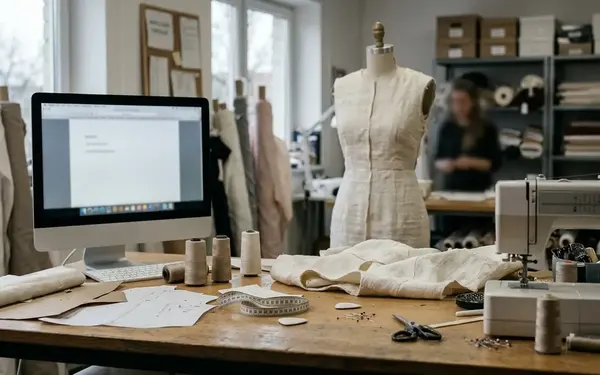
Business capital can be a deeply respectful Mahr when the bride has a real plan. Seed money, a sewing machine, photography gear, commercial baking equipment, inventory, or a laptop may serve her better than a formal gift she rarely touches.
Break it down by use. If the Mahr is on the order of 5,000 for business capital, specify whether it is cash, equipment, or both. If it is equipment, list model numbers, ownership, delivery date, and whether warranties transfer to the bride.
This Mahr says: your work matters. That is no small thing.
9. Real Estate Contribution
A real estate contribution is serious Mahr. It may be a down payment for a future home, a specific percentage of property ownership, or a tenancy-in-common share allocated to the bride.
The paperwork is the point. Real estate Mahr agreements involve drafting a legally binding tenancy-in-common deed that gives the bride a specific fractional ownership. If the couple lives in a country where religious marriage contracts have uncertain civil standing, do not rely on verbal promises or family witnesses alone.
This option fits couples with stable finances and patient legal counsel. It is not ideal for rushed Nikah planning.
Important Limitations and Islamic Guidelines
There is no maximum limit to Mahr in Islamic law, but excess can still be spiritually ugly. A number can be technically permissible and practically harmful at the same time.
Islamic tradition discourages demands so large that they delay marriage, create debt, or turn the Nikah into a family status contest. Community leaders report that prolonged Mahr disputes can extend an engagement by 6 to 9 months, often causing unnecessary friction between families. I have heard those months described in very ordinary terms: awkward dinners, postponed venue deposits, cold phone calls between mothers.
Cultural practices sometimes dress themselves in religious language. Demanding extravagant sums for family prestige often contradicts Islamic principles of ease and mutual respect. Ease does not mean carelessness. It means removing vanity from the contract.
Deferred Mahr needs special attention. Islamic guidelines suggest that deferred Mahr payable upon divorce or death should be recorded in a legally binding prenuptial agreement to be enforceable in civil courts. A deferred Mahr agreement lacking a specific payment timeline or trigger event can lead to civil court dismissal during divorce proceedings.
The legal enforceability of a Mahr contract varies significantly; in some Western jurisdictions, it is treated as a standard prenuptial contract, while in others, it is dismissed as a purely religious custom without civil standing. These outcomes depend on local law, contract wording, and whether both parties had meaningful consent, so couples should not copy language from another family and assume it will hold.
Warning: Never leave a deferred Mahr as a vague promise. Record the amount, trigger event, payment deadline, witnesses, and any civil legal document attached to it.
Final Thoughts on Choosing Your Mahr
The best Mahr brings barakah into the marriage. It does not humiliate the groom, erase the bride’s rights, or please the loudest auntie in the room.
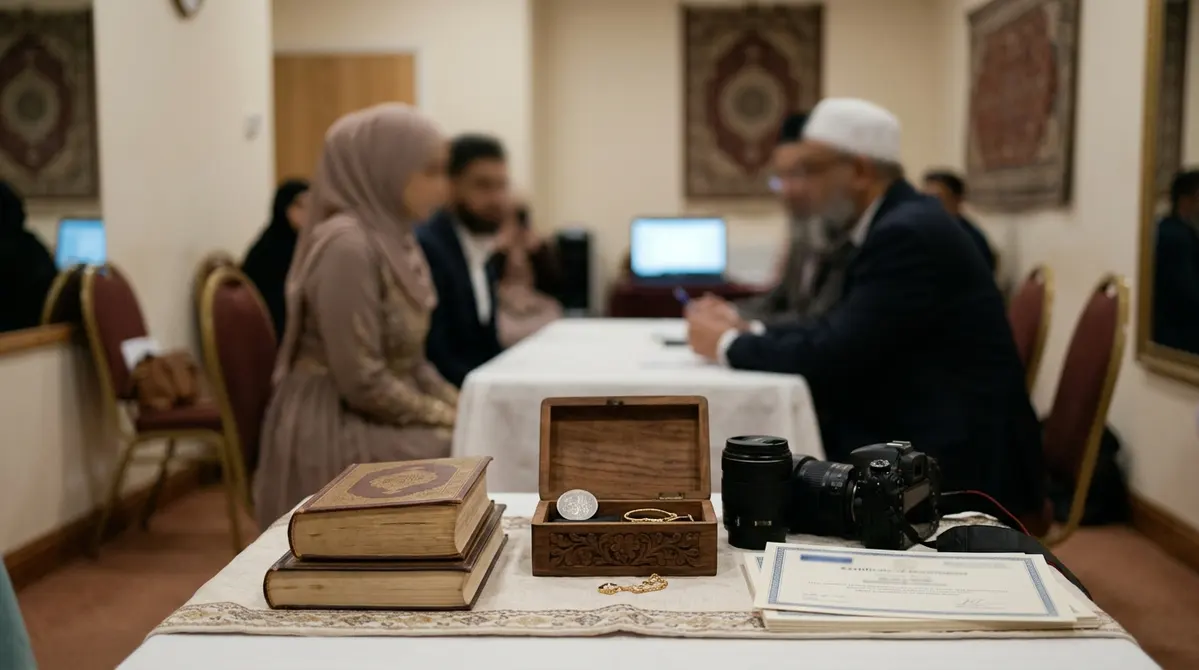
Start early. From reader feedback, couples who finalize their Mahr details 4 to 8 weeks before the wedding often report lower stress during the final planning stages, and that makes sense. By the time the Nikah proceeding, often not far from 20 minutes, arrives, the certificate should be ready for signatures from two adult witnesses and the officiant, not still being negotiated in a hallway.
Use the Perfect Muslim Wedding Planning Kit to keep the conversation grounded: what does the bride value, what can the groom afford, what needs to be written, and what requires legal advice? Those four questions do more than tidy the paperwork. They teach the couple how to speak about money before money becomes tense.
Mahr is not the whole marriage. But it is one of the first promises. Choose it with honesty, mercy, and enough detail that nobody has to guess later.