Securing the ideal bridal gown requires balancing timeless Islamic traditions with personal style. The modern bride approaches this process with high expectations for both aesthetics and physical comfort. Historically, the bridal industry struggled to meet these dual demands. Brides often resorted to cumbersome workarounds, purchasing standard gowns and layering them over heavy bodysuits or commissioning extensive, costly alterations. That landscape has shifted. Today's modest bridal market prioritizes specialized construction over reactive modifications.
Redefining the Fabric of Modest Bridal Couture
Modest bridal wear currently drives textile innovation. For decades, achieving full coverage required stacking standard satin and tulle layers until the garment achieved visual opacity. This legacy approach resulted in heavy, stifling dresses that restricted movement and trapped heat. Textile engineers analyzed the thermal retention in these standard bridal fabrics. They subsequently funded research into high-density, single-layer weaves.
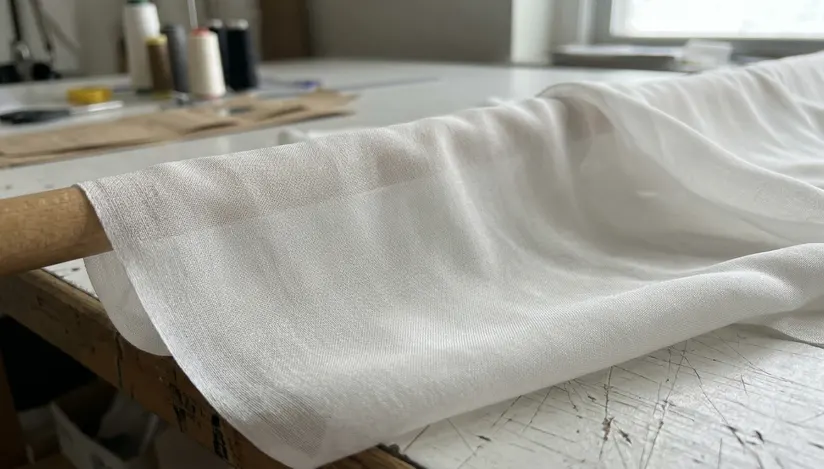
This initiative yielded 400-thread-count opaque chiffon blends. These advanced textiles eliminate the need for secondary base layers. The fabric drapes fluidly while maintaining opacity under harsh photography lighting. The resulting garments possess a luminous, matte finish that photographs beautifully without the stiff, rigid appearance of heavily layered tulle.
Understanding the thermal retention threshold of high-density single-layer weaves changes how manufacturers approach gown construction. Designers can now create voluminous skirts and long, flowing sleeves without adding unnecessary weight to the garment. A single layer of engineered chiffon breathes naturally, allowing the bride to remain comfortable throughout a lengthy Nikah ceremony. Modern modest brides influence this market shift by demanding high-performance bridal fabrics. The industry has responded with specialized design that prioritizes the wearer's physical experience.
Shifting Showroom Priorities and Dedicated Design Houses
Retailers closely analyzed alteration costs and client feedback regarding heavily modified mainstream dresses. The financial and aesthetic toll of building up necklines and adding sleeves to strapless gowns forced a transition in purchasing strategy. Boutique owners reallocated their budgets from hiring additional in-house seamstresses toward acquiring ready-to-wear modest collections directly from specialized design houses.
Showroom managers tracking inventory adjustments reallocated 300 to 500 square feet of floor space specifically for pre-lined, long-sleeve inventory. Specialized designers understand the structural requirements of modest gowns from the initial sketch. They engineer the garment for full coverage from the start, ensuring a seamless, intentional silhouette from collar to hem.
Integrating the Perfect Muslim Wedding Planning Kit into your early preparation helps map out these specific boutique visits. Brides can identify which local retailers carry these dedicated collections before booking appointments.
Strategic Showroom Scheduling
Boutique directors reviewing procurement records report that brides who schedule appointments specifically for ready-to-wear modest collections spend 40% less time in the alteration phase.
The sustained market demand demonstrates that brides value unaltered, high-coverage collections over the unpredictable results of extensive post-production modifications.
Thermal Mapping and Moisture-Wicking Base Layers
Fabric developers mapped the heat zones of the human body during prolonged wear to address the physical demands of multicultural wedding celebrations. Based on these thermal maps, they placed micro-mesh panels in high-perspiration areas like the underarms and lower back. They maintained solid silk crepe on all outward-facing panels to preserve a luxury aesthetic.
Manufacturers integrated 15-denier moisture-wicking synthetic fibers into silk crepe bases. The specific micro-mesh denier weight to silk crepe ratio ensures complete opacity while facilitating airflow. These fabric advancements allow for long sleeves, high necklines, and full skirts that remain comfortable during multi-event celebrations. The synthetic fibers pull moisture away from the skin, dispersing it across the outer layer of the fabric where it can evaporate quickly.

The cooling benefits of micro-mesh linings are confined to gowns worn in environments below temperatures not far from 85 degrees Fahrenheit with moderate humidity. Beyond this threshold, even engineered synthetics will trap ambient heat. Brides planning outdoor summer ceremonies must factor this environmental limit into their fabric selection. For indoor or climate-controlled venues, these moisture-wicking base layers provide greater comfort.
Restructuring the Internal Bodice Framework
Pattern makers restructured the internal framework of the bodice by studying architectural load distribution. They shifted the weight-bearing anchor points from the shoulders to the natural waistline. This structural engineering prevents fabric sagging in heavy, high-neckline designs.
Designers implemented 2-millimeter flexible polymer boning channels sewn directly into the inner corset lining. Modern integrated tailoring provides a flawless silhouette while maintaining strict modesty standards. Traditional methods relied on wearing separate long-sleeve bodysuits under strapless dresses. That outdated approach added unnecessary bulk—and severely restricted arm mobility.
Lightweight boning and strategic draping build support directly into the garment's framework. The dress moves as a single, cohesive unit. Unlike rigid steel boning that forces the torso into a static shape, the polymer channels flex with the wearer's movements. The flexible polymer adapts to the body's natural curves without digging into the ribs or restricting breath. This internal architecture allows the bride to lift her arms, embrace family members, and sit comfortably without the neckline shifting or the sleeves pulling.
Inspecting Construction During Bridal Appointments
Bridal consultants redesigned the standard fitting protocol to prioritize functional movement over static aesthetics. They introduced mobility exercises during the initial try-on phase. This ensures the engineered fabrics perform under the physical stress of multicultural wedding rituals.
Boutiques rolled out 90-to-120-minute fitting sessions that require the client to perform a standardized sit-and-reach mobility test. Inspect the gown's construction and fabric composition during your bridal appointments. Test the mobility and weight of the dress to confirm the textile innovations translate to physical comfort.
Sit in a chair, kneel as you would during the ceremony, and raise your arms. The garment must support your natural range of motion. Pay close attention to how the fabric feels against your skin after just over ten minutes of wear. The internal boning should feel supportive, never restrictive.
Will you accept the heavy, restrictive layering of past decades, or will you require the engineered breathability that modern modest design now guarantees?