The Physical Toll of the Reception Line Interrogation
Couples typically stand in receiving lines or on stages greeting upwards of 300 to 500 guests consecutively. The sheer volume of handshakes, forced smiles, and repetitive greetings leaves them physically depleted before dinner is even served. Heavy bridal garments and intense stage lighting compound this exhaustion, draining the couple's energy reserves minute by minute. A guaranteed way to worsen this fatigue is by subjecting the newlyweds to intrusive personal questions.
The peak vulnerability for these interactions occurs during the 90 to 120-minute window between the couple's grand entrance and the main course service. Exhaustion strips away the polite filters usually relied upon to deflect boundary-crossing comments—leaving the bride and groom emotionally exposed. Guests approach the stage under the guise of offering congratulations, only to launch into highly personal inquiries. A wedding reception functions as a space for communal joy. Guests must avoid turning the stage into a press conference about the couple's private life.
Dismantling the Mahr and Vendor Cost Audit
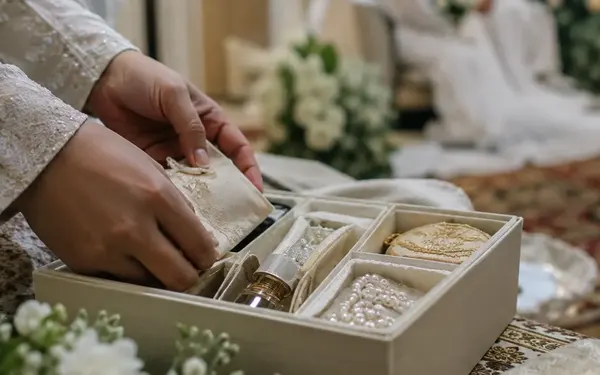
Cultural habits frequently transform celebratory small talk into an inappropriate financial appraisal. Observation of seasonal banquet patterns confirms that inquiries often target specific line items. Someone will inevitably ask about the exact carat weight of the bridal jewelry or which side of the family covered the catering costs for the halal banquet. These questions create immediate, unnecessary class anxiety for the couple and their parents.
These financial audits by guests typically peak during the 3 to 4-month post-engagement period and resurface aggressively during the 48-hour window of the main reception. Relatives compare the current event to previous family weddings, calculating the perceived value of the floral arrangements and the venue. This shifts the focus entirely away from the spiritual union. The mahr-appraisal and vendor-payment interrogation breakdown ruins the celebratory atmosphere, reducing a sacred milestone to a transactional ledger.
A guest's role is to enjoy the hospitality provided. Appraising the event's budget falls entirely outside that mandate. When attendees focus on the price tag of the evening, they disrespect the generosity of the hosting families.
Preserving Financial Privacy During the Banquet
Couples can proactively shield themselves from these audits. Utilizing a comprehensive Perfect Muslim Wedding Planning Kit helps partners align on budget boundaries early in the process. Establishing these boundaries in advance makes it significantly easier to present a united front and smoothly change the subject when extended relatives begin probing about vendor contracts.
Navigating the Post-Nikah Pregnancy Inquiries
The pressure to expand the family usually begins within the first 24 to 72 hours following the Nikah ceremony and persists relentlessly throughout the reception evening. Guests frequently corner the bride near the bridal suite or during restroom breaks to ask about pregnancy timelines, bypassing the groom entirely. This physical cornering isolates the bride during moments when she is simply trying to catch her breath or adjust her attire.
Family planning remains a deeply private matter. Couples may face unseen medical struggles, financial hurdles, or personal timelines that make these questions incredibly painful. The post-Nikah 72-hour family planning inquiry boundary must be respected by every attendee, regardless of their relationship to the couple. The newlyweds deserve the space to simply enjoy their new marriage without immediate expectations for the next major life milestone.
This critique of family planning inquiries assumes a traditional reception format where guests have direct, unmediated physical access to the couple; highly structured events with strict security cordons around the sweetheart table naturally suppress these interactions. However, in standard community hall settings, the burden falls entirely on the guests to regulate their own curiosity.
Applying Adab to Community Curiosity
Community elders often rely on a cultural care defense to justify intrusive questions spanning the entire 6 to 8-month wedding planning cycle. They claim these inquiries stem from love, tradition, and a deep desire to connect with the younger generation. The Islamic concept of adab dismantles this justification entirely.

The application of adab in this context requires guests to actively withhold questions about private domestic matters. It means redirecting conversations that veer into gossip about the couple's living arrangements or career transitions. True care is demonstrated through tangible support and sincere prayer. Prying into matters that do not concern the guest violates the proven principles of communal respect and religious etiquette.
When elders insist on asking about the dowry or future children, they prioritize their own curiosity over the emotional safety of the couple. Adab demands that believers leave alone that which does not concern them. Applying this principle to wedding receptions would instantly eliminate the vast majority of awkward stage interactions.
Shifting from Interrogation to Sincere Du'a
Implementing this shift in guest behavior requires consistent community messaging over a 2 to 3-year period to effectively change entrenched generational habits. Education must happen before the invitations are even mailed. Guests need actionable alternatives to their usual line of questioning.
Replace intrusive questions with sincere compliments about the event. Praise tangible elements like the floral arrangements, the beautiful recitation of the Quran, or the warmth of the families' hospitality. Offer the traditional Barakallahu lakuma (May Allah bless you both) as the optimal form of cultural and religious support. A heartfelt du'a carries far more weight than a probing question about real estate plans.
Establishing Firm Conversational Boundaries
Give the couple the ultimate wedding gift of absolute privacy regarding their finances and family planning. Speak words of blessing, admire the celebration they have hosted, and leave their domestic future entirely in their own hands. Your presence at the reception is an invitation to witness their joy. Treat their personal boundaries with strict reverence.